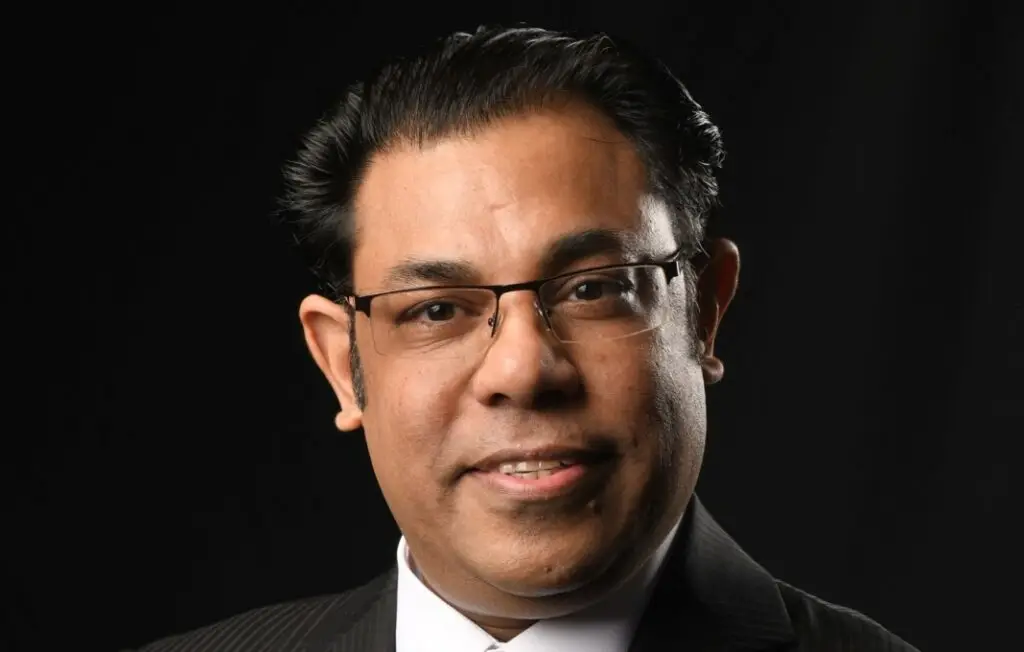


AI has undoubtedly had an impact on the HR function—from simple screening of resumes to surfacing detailed people analytics. But its most powerful impact may not be an automated workflow but a new perspective on the work overall.
“When you build an AI system, you have to define success metrics explicitly,” says Elaine Palome, regional head of human resources Americas at Axis Communications, a global network technology company that provides video surveillance, access control, intercoms and audio solutions. “This pushes me and other HR leaders to ask harder questions about whether we’re measuring the right things in the first place.”
Palome gives her take on how AI can have a real impact, as well as on other hot topics in the profession.
How do you view the role of AI in HR today, and where do you see it creating the most impact for employees and business leaders?
AI in HR is at an interesting inflection point right now. It’s moved beyond simple resume screening into areas that can genuinely reshape how work gets done.
For employees, AI is starting to remove friction from the annoying parts of work life. Think instant answers to benefits questions, or learning and development systems that actually anticipate what you need to learn. The benefit for HR is that time is freed up for high value work.
For business leaders, the real value is in people analytics. AI can surface retention risks, identify skill gaps across teams, look for patterns in exit interviews or help decode why certain groups are disengaging; things that might take an entire team of analysts to spot manually. AI can also take some of the guesswork out of workforce planning by generating more evidence-based data, especially useful when planning for roles that don’t exist yet.
I think AI’s biggest contribution might be forcing those of us in HR to get much clearer about what actually matters. When you build an AI system, you have to define success metrics explicitly. This pushes me and other HR leaders to ask harder questions about whether we’re measuring the right things in the first place.
All of this comes with a caveat, however. The gap between AI in HR hype and reality is still pretty wide. A lot of tools are just basic automation rebranded. The ones creating real impact tend to augment human judgment rather than replace it—helping recruiters focus on relationship-building, or giving managers better context for tough conversations.
What HR trends do you believe are most significantly influencing how organizations attract, retain and support talent?
There is so much happening currently in the HR space. Here are a few of the current topics:
Skills-based everything is finally happening. Organizations are moving beyond talking about skills and actually restructuring around them, hiring for capabilities rather than credentials, building internal talent marketplaces and creating project-based work assignments. The shift feels real this time because the tools to map and match skills have gotten good enough to be practical, not just aspirational.
The flexibility reckoning continues. The RTO debates haven’t settled into a stable equilibrium yet. What’s emerging is much more nuanced than remote versus office—it’s about designing specific work modes for specific outcomes. The organizations doing this well are treating it as a talent strategy question, not a real estate one. Those doing it poorly are losing people who have options.
Total rewards transparency is becoming table stakes. Compensation transparency laws keep expanding, but the bigger shift is employees expecting visibility into the full value equation including not only base salary, but equity, benefits, sustainability, DEI initiatives and growth opportunities. Organizations that can articulate their total value proposition clearly are winning talent conversations.
Manager effectiveness is key. There’s growing recognition that most employee experience issues trace back to the immediate manager. There is an increased focus on manager selection, support, development and accountability. Managers are required to manage with both the head and the heart. The “We promoted our best individual contributor” approach is finally being questioned at scale.
Demographic-driven customization. With five generations in the workforce and vastly different life stages, one-size-fits-all benefits and career paths aren’t working. Organizations are getting more sophisticated about segmentation—not in a discriminatory way, but in recognizing that a 24-year-old and a 54-year-old might need very different things to thrive.
What key people-focused initiatives are you spearheading at Axis Communications, and how do they align with the company’s broader business and culture goals?
We have put into place some really unique programs and benefits that continue to increase retention and position us as an employer-of-choice. At Axis, work-life balance isn’t merely a concept. Every five years, Axis Americas provides a three-week paid sabbatical plus a stipend of $2000 to each employee hitting this milestone. The aim is for employees to take the opportunity to go fully “lights-out” and spend time recharging their batteries.
Additionally, Axis supports employees both inside and outside of work. We’ve introduced 100 days of paid parental leave for new moms and dads to bond with their new family member. In addition, we offer four weeks of paid family leave to care for a loved one who is ill.
Lastly, we have appointed an advisory board of high-potential employees. These employees take part in executive strategy sessions and gain first-hand knowledge of what it’s like to be at the helm of $1 billion-plus organization. They also have several high-visibility projects to complete during their two-year term.
Each advisory board member has a mentor from the executive team who works with them on their development during their two-year tenure. This has been an awesome program that accomplishes several goals including employee development and mentorship, taking on some items from the executive team’s to-do list, and serving as conduit for information flow from the executive team down and vice versa.
As Axis explores AI-enabled tools and processes, how are you approaching governance, transparency, and employee trust? What advice would you offer HR leaders who are navigating similar integrations within their own organizations?
These are the questions that are on everyone’s mind these days. Governance is the unresolved question organizations are struggling with. In most organizations, AI ownership is fragmented. IT owns the infrastructure, business units own the use cases and results, and individual employees are trying to make judgment calls when they may have no formal authority and minimal training on where AI can fail. The most sophisticated organizations adopt a shared ownership model with clear delineation and include executive leadership ownership of the overall AI operating model with accountability across the three layers.
In terms of transparency, organizations need clear documentation of how AI systems make decisions, what data they use and their limitations. Employees should understand when they’re interacting with AI and how it influences outcomes that affect them.
Data Privacy and security are essential in building trust with employees. This includes strict controls on what data AI systems can access, how they process personal information and compliance with regulations like GDPR. There should be clear policies about what information can be fed into AI tools.
AI has huge potential for streamlining many steps of the employee lifecycle, and I’m excited that this revolution is happening during my career as an HR professional. But before jumping into the deep end of the pool, HR leaders need to take some time to think about the following before they adopt the use of AI in HR:
- Find your internal champions. Identify employees who are already experimenting with AI tools (they’re out there). Learn from them. They can become your pilots, your testers, your credible voices. Grassroots adoption often works better than top-down mandates.
- Don’t automate broken processes. If your performance review process is already frustrating, adding AI won’t fix it—it’ll just make it frustrating faster. Use AI adoption as a forcing function to redesign processes that don’t work. Ask, “What should this look like?” before, “How can AI help?”
- Human oversight and accountability. Critical decisions should have human review, especially in areas like hiring, performance evaluation, or terminations. There should be clear accountability when AI systems make errors or produce harmful outputs.
- Bias detection and mitigation. Perform regular audits to identify and address bias in AI outputs, particularly in hiring, promotion, compensation and other employment decisions. This includes testing across different demographic groups and monitoring for disparate impacts.
- Usage policies and training. Establish clear guidelines about appropriate use cases, prohibited uses and employee training on both capabilities and limitations of AI tools.
- Performance monitoring. Create metrics to measure AI system accuracy, fairness and business impact. This includes tracking error rates, user satisfaction and whether the AI is achieving its intended goals without unintended consequences.
- Intellectual property protection. Make sure you have guidelines about what proprietary or sensitive information can be shared with AI systems (especially third-party tools), and how to protect confidential business information and trade secrets.