


Leaders commonly face one of the most frustrating employee challenges: losing high-performing employees who appeared fully engaged right up until they resigned.
Their performance reviews were strong. Their productivity remained high. They met deadlines, supported colleagues and rarely raised concerns. Then, seemingly without warning, they left.
The problem is often not a sudden drop in engagement. It is a subtle disconnect I call the visibility illusion.
The visibility illusion is the mistaken belief that employees automatically know they are valued because leaders privately hold them in high regard. Managers may feel appreciation, trust and respect for a team member, but unless those sentiments are consistently communicated, employees are left to interpret their standing through limited and often ambiguous signals.
This is not so much a recognition problem as a perception gap.
Why Performance Can Mask Disengagement
Many organizations assume that high performance is evidence of a healthy employee experience. In reality, performance is often a lagging indicator.
But here’s the thing—high achievers don’t just stop producing the moment they lose emotional connection to their company. They keep going. Sometimes for a long time. Because they have a strong work ethic, take pride in what they do and feel loyal to the people they work with. Even when they no longer feel valued or connected to a bigger mission, they still show up and deliver results.
As a result, organizations can appear healthy on paper while key contributors are quietly disengaging.
Gallup’s workplace research has regularly found that employees who receive meaningful recognition and feel their contributions matter are more likely to stay engaged and committed to their organizations. When employees lack visible evidence that their work and viewpoints are valued, uncertainty begins to fill the gap.
Employees may start to doubt their future in the company rather than concentrating entirely on innovation, teamwork and growth. It is easy to misinterpret silence. A signal is created when there is no feedback. Long before it affects performance, that uncertainty can gradually weaken dedication.
Three Strategies to Close the Divide
1. Recognize Contribution, Not Just Results
Most performance conversations focus on outcomes. Effective leaders go a step further by explaining why a person’s judgment, expertise, or presence strengthens the team.
Valuing an employee’s presence and their output are fundamentally different. Acknowledging a performance communicates to someone that “I value what you produce.” Mattering communicates to them that “this organization is different because you are here.”
Employees are more likely to feel appreciated when they understand how their contributions stretch beyond the metrics.
2. Identify Invisible High Performers
Some employees become so reliable that their contributions fade into the background. HR leaders can encourage managers to routinely evaluate which team members have become “assumed contributors” and ensure their impact is acknowledged.
The employees who receive the least feedback are often the ones leaders depend on most.
Ask managers to perform a simple 30-second audit: ‘Who on my team am I most afraid of losing, and when was the last time I told them specifically why?’ If the answer is more than a month ago, that employee is already operating in the visibility gap.
3. Don’t Keep Appreciation to Yourself
Appreciation is meaningless if it remains inside a person’s head. If a manager believes someone performed an excellent job but never expresses it, the praise may as well not exist. Encourage supervisors to express their gratitude through specific feedback, public shout-outs, opportunities for growth and genuine interactions.
Employees don’t judge culture by what managers intend. They judge it by what they actually experience, every single day.
The Leadership Imperative
Seldom is retention lost in an instant. More often than not, it steadily deteriorates as a result of numerous lost chances to reaffirm meaning, value and connection.
The strongest workplace cultures are not built solely on engagement programs or annual recognition events. They are built when leaders make people feel visible.
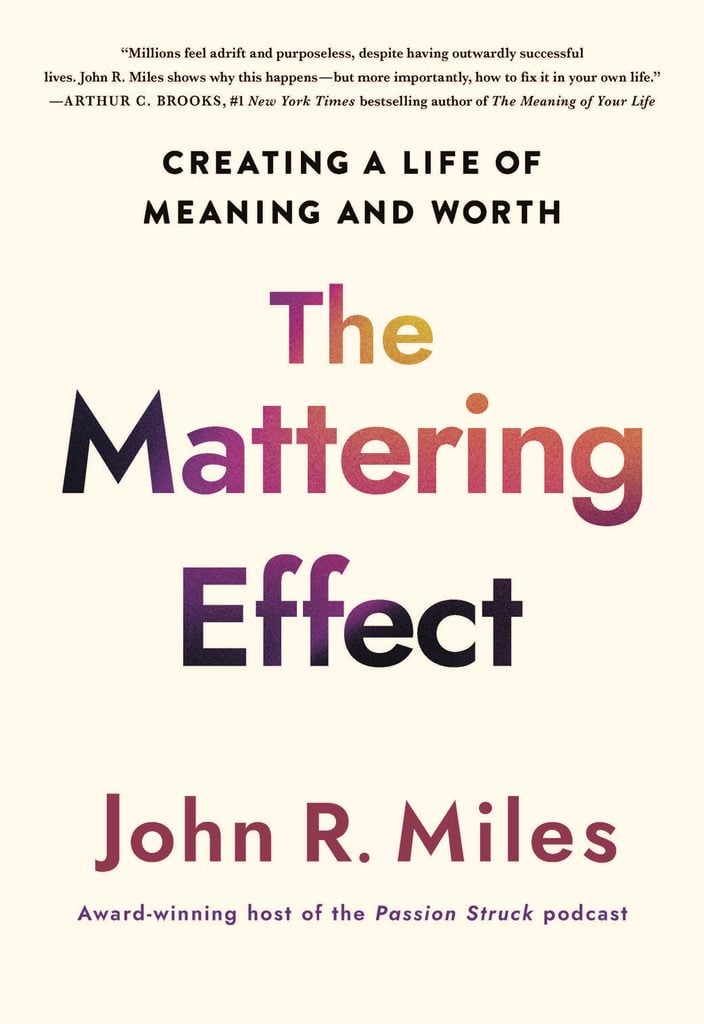
Employees who know they matter are more likely to stay, contribute and help others succeed. The challenge for HR leaders is assuring that appreciation isn’t merely felt by managers but experienced by employees.