

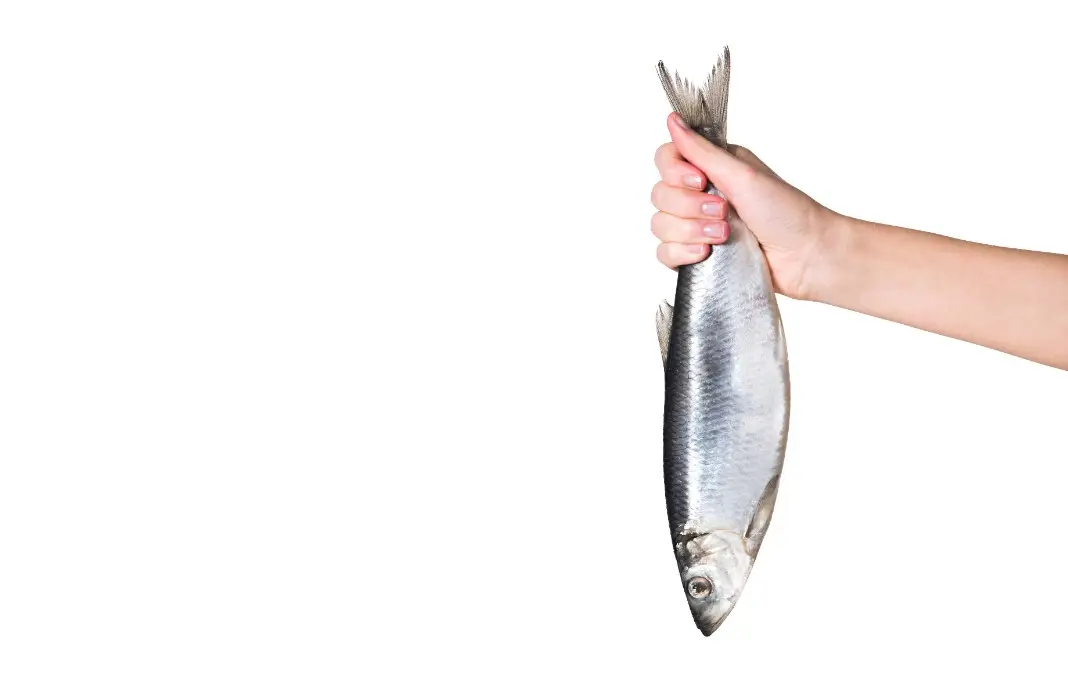
Between you and me, every team has a few stinky fish lying around. These are the issues everyone knows about but no one dares to address because they’re awkward, uncomfortable or just plain unpleasant. But when you ignore them, they fester like that forgotten stink in the fridge. That can leave people with resentment, disengagement and just a seriously bad vibe.
What’s a leader to do? Create space for a “fish-slapping”: that bold, slightly ridiculous meeting where everyone can slap their stinky fish onto the table and air the problems that are riling them. Plus, calling them “fish-slappings” brings some levity to the situation, which diffuses tension. (Hey, it’s way better than calling them “the festering wounds of team dysfunction,” right?) Normalizing these in your team’s culture builds expectations and camaraderie around issues that could exacerbate but don’t have to—and shouldn’t. Think of it as opening the windows and letting the stale air out before it turns toxic.
I can remember the first fish-slapping meeting I attended. My unit leader called everyone in and over the subsequent hours we talked one by one about the simmering issues: unclear roles and responsibilities, the frustration of changing mandates from leadership, and perceptions of less-than-great communication about a new realignment. It was awkward at first, like we were all trying to tiptoe around the mess. But by the end we’d at least gotten everything out in the open. Not all the issues were solved right then, but it did give us a clearer path forward and made it a lot easier to tackle them head-on together. It also made it normal to talk about cringy stuff.
The Power of the Fish-Slap
The beauty of a fish-slapping is that it allows your team to voice their concerns without fear of judgment or backlash. It’s not Blameville, it’s a place to productively clear the air and solve the problem before it becomes a full-blown culture killer.
Ground Rules for a Successful Fish-Slap
Don’t worry, this isn’t a free-for-all gripe fest. You can create a positive, constructive climate with these simple ground rules:
• No blame, no shame: No witch hunts. Keep it constructive and focused on problem-solving, not finger-pointing.
• Be specific: General comments like “The feel of the team is off” don’t help anyone. Get into specifics: “I’m frustrated by constant last-minute changes to deadlines.” You can even get specific, anonymous input on “stinky fish” through a quick pre-fish-slapping survey. That way, you hear from people ahead of time who might be less comfortable speaking up at the real thing.
• Solutions over complaints: Encourage your team to propose possible solutions, or at least suggestions for how things could improve. A fish-slap meeting isn’t a pity party; it’s a dialogue and solutioning session.
How to Run a Fish-Slap Meeting
1. Set the tone: Start by being transparent. Let your team know that the purpose of this meeting is to get the stinky stuff out in the open and fix it together. Remind everyone of the “rules”—no blame or shame, specifics and solutions (see #3 below for more on this).
2. Let it all hang out: Give everyone a chance to voice their grievances, but keep it focused on one issue at a time. If someone throws a personal barb, intervene and say, “We’re keeping it respectful.” If someone veers off course, gently steer them back to the issue at hand.
3. Don’t rush to fix it (yet): Sometimes, just airing out the issue is enough to make people feel heard and understood. Let the team get everything off their chest before jumping into solutions.
4. Brainstorm: Put the main issue themes up on a whiteboard or around the room and have people do a “gallery walk.” This is something we did with clients at Deloitte, inviting them to put up sticky notes with new solutions to problems—or to add voting dots to suggested solutions.
5. Close with action steps: End the meeting by identifying clear next steps. What activities are the outcomes from today going to inform? What’s the timeline for resolving the identified issues? How will you share how things are progressing?
The Magic of Regular Fish-Slapping
By holding these regular fish-slap sessions, you’re patterning a culture of truth-telling, trust and accountability. Just think, if a person feels comfortable speaking up, it’s going to deepen the dialogue. It can strengthen relationships. It reduces the risk of misunderstandings turning into resentment. Plus, addressing issues early is like preventive maintenance for your team’s morale. It’s much easier to patch a small crack than to deal with a full collapse later.
So make space for that 10-day old carp. It may be uncomfortable at times, but a little discomfort now can save you from major troubles down the road.
Excerpted with permission from the publisher, Wiley, from Quick Leadership: Build Trust, Navigate Change, and Cultivate Unstoppable Teams by Selena Rezvani. Copyright © 2026 by Selena Rezvani. All rights reserved. This book is available wherever books and eBooks are sold.