
Pathward Bank takes culture so seriously that it has a formal place in the C-Suite.
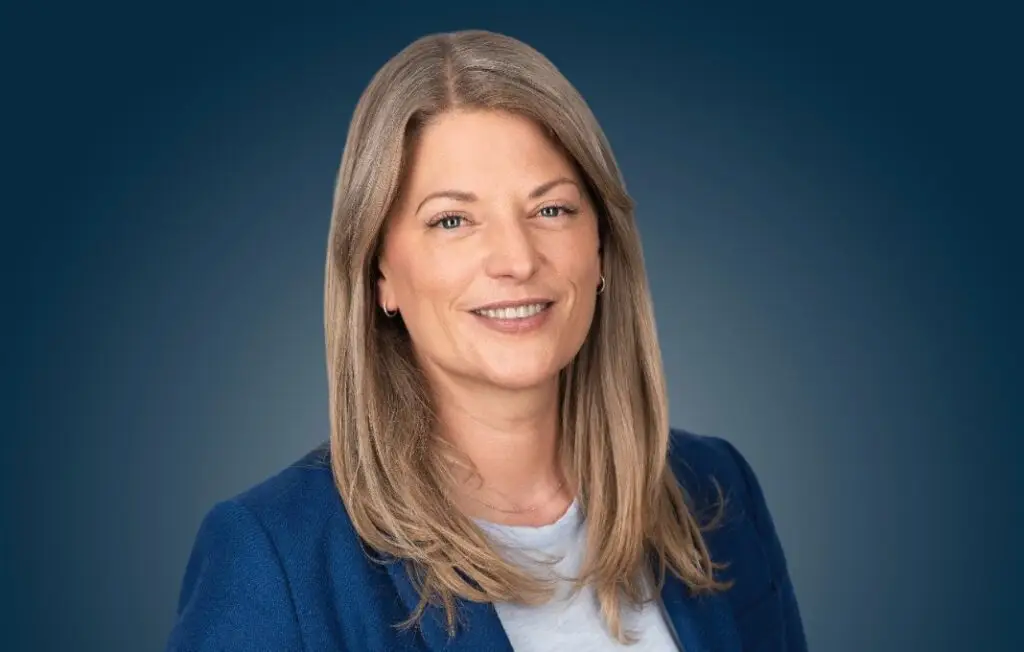
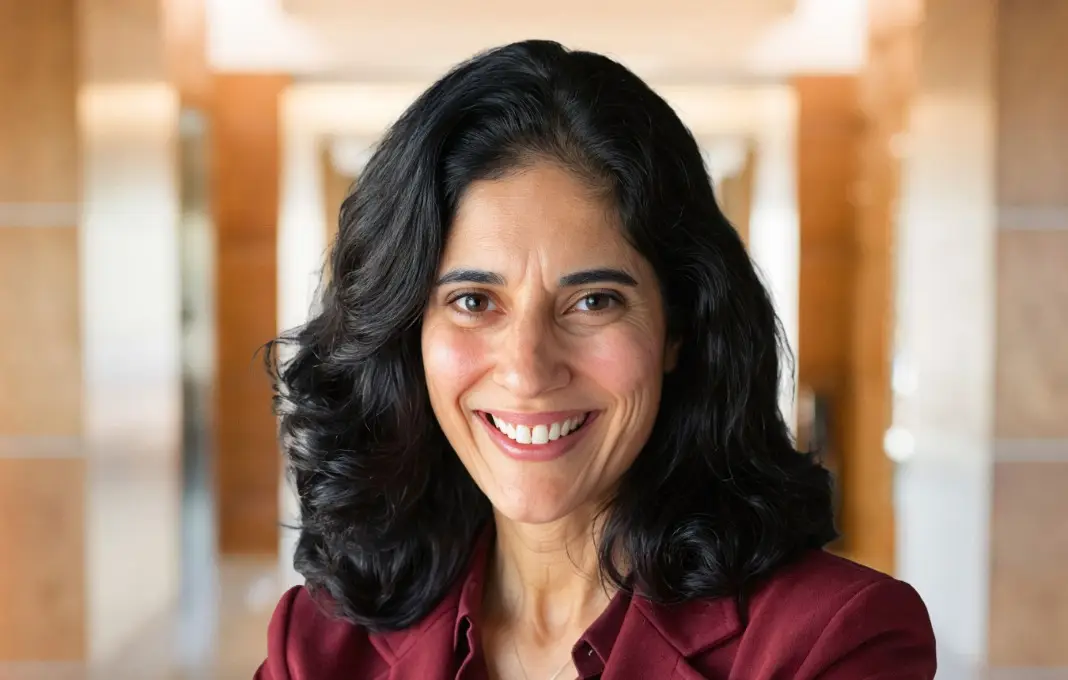
Anjana Berde is that person, serving as chief people and culture officer at the national bank focused on financial inclusion, providing banking services for underserved markets, based in Sioux Falls, South Dakota. “In our eyes, transitioning human resources to people and culture emphasizes our focus on viewing each employee as a person with ideas, skills and potential, rather than looking at them as resources to manage,” says Berde.
Berde spoke with StrategicCHRO360 to share the significance of her title, why Pathward is sticking with a remote work strategy despite rising return-to-office orders and what exactly makes a healthy culture.
Can you talk a little bit about the significance of your title?
At Pathward, our culture is one of our strengths. Connecting employees to culture requires a strategic, intentional approach. That’s why we made a deliberate decision several years ago to change the name of our team from human resources to people and culture. And, when I joined the organization last year, it was as chief people and culture officer.
In our eyes, transitioning human resources to people and culture emphasizes our focus on viewing each employee as a person with ideas, skills and potential, rather than looking at them as resources to manage. The change underscores that it is our people and our culture that drive Pathward’s success.
Why has Pathward continued its “Talent Anywhere” strategy, even as many other companies have returned to the office?
We see our Talent Anywhere strategy as an opportunity to recruit the caliber of talent we need to execute against our strategic objectives.
The financial services industry is undergoing massive changes, from the rise of fintech companies and digital currencies to changes in the way people bank and the products and services that traditional financial institutions offer. This is especially true in the banking-as-a-service space, where innovation and regulatory developments seem constant these days.
Having remote and hybrid opportunities helps us to meet top talent where they are so that we can build a team that consistently delivers for our partners, similar to how we help our clients meet consumers where they want to be met. Beyond the workplace, this strategy also gives our employees flexibility that aids in balancing their work and personal lives.
How do you build a strong workplace culture in a fully remote environment with employees spread out across the country?
When you’re in a remote work environment, each interaction should be intentional. At Pathward, this starts with strong internal communication through a video series, a biweekly newsletter, quarterly town halls and monthly or quarterly cross-functional meetings to help facilitate an informed workforce.
We also place an emphasis on virtual connection and creating a sense of community among employees through our Culture Connections program. We host virtual gatherings in which employees can connect on common interests, and a “Candid Conversations” series with Pathward leaders conducted as a fireside chat.
Another way employees can connect virtually is through our six employee-led employee resource groups, which are open to all employees. These ERGs have been well received by Pathward employees. In 2024, more than a quarter of Pathward employees participated in ERGs, 19 points higher than the average Fortune 500 company.
Another key element of a strong workplace culture is allowing employees the time and space to contribute to causes that are important to them. In 2024 alone, Pathward employees engaged in more than 5,500 volunteer hours, and supported more than 200 organizations across the country.
This was one of many contributing factors to Pathward earning Great Place To Work Certification for the third consecutive year, as 92 percent of Pathward employees felt good about the way our organization contributes to the community.
Finally, we recognize the importance of fostering in-person connections, which we regularly facilitate through in-person departmental and cross-functional meetings, as well as in-person Culture Connections for employees who want to connect with others in their geographical area.
We held our first ever Dare to be Great Summit in Atlanta last year. The event brought together nearly 700 Pathward employees from around the country to connect in person, celebrate the work we have accomplished and look ahead to our future. For those who were unable to make the summit in person, we held a virtual summit.
What opportunities do you see to leverage AI in your role?
For me, it’s important to consider how AI can help us do more than simply be more efficient. When we think about AI as a team, our goal is to identify transformational uses that support our goals as an organization, and that starts with delivering opportunities for our employees. We believe that AI can fuel more timely, effective ways of developing Pathward team members. AI can also provide the space and time for this development by streamlining certain processes, while also giving employees the opportunity to explore new, exciting ways that we can leverage the technology to best support our partners and consumers.