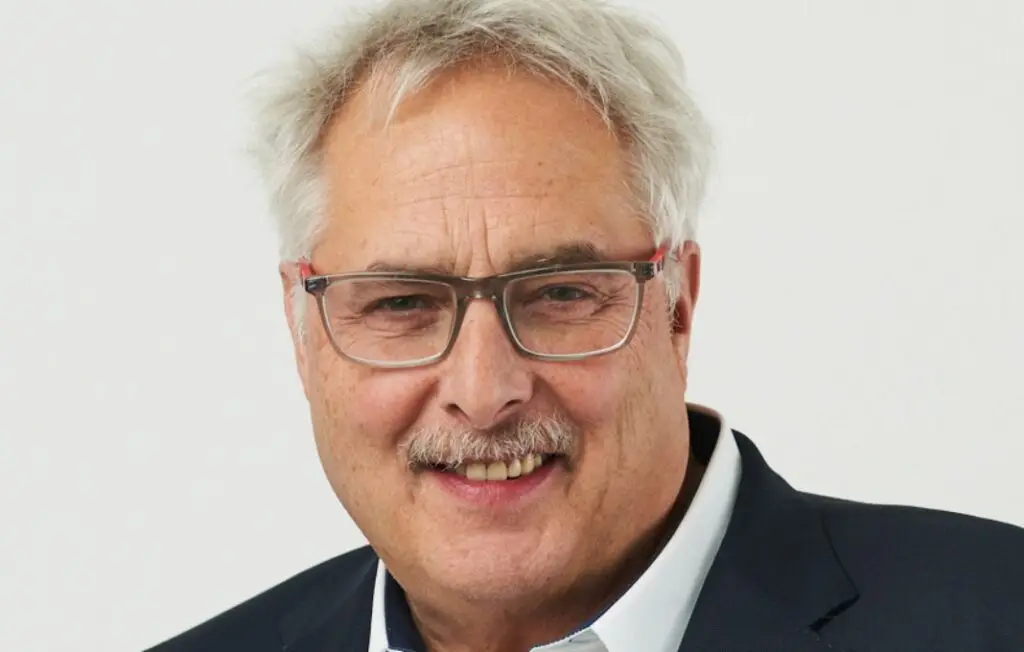


When we hear about well-being at work, it often boils down to a variety of benefits open to employees to use as they see fit. But for HR leader Sabra Sciolaro, reducing wellness to a standalone program isn’t just a disservice to employees—it’s a cascading risk to the business as a whole.
“Reducing stress isn’t just a cultural initiative,” says Sciolaro, chief people officer at workforce communications software company Firstup based in San Francisco. “It directly impacts engagement, performance and ultimately the consistency with which teams deliver on business priorities.”
Sciolaro explains how she and her team handle employee well-being across their workforce, and the strategies that really make a difference.
Workplace happiness and mental health are crucial in today’s workplace environment. What initiatives have you led to make employee well-being more than just a benefits or wellness program?
Workplace well-being is too often treated as a benefits issue, but in reality, most employees’ stress is a workplace experience conversation. That’s why something I’m most passionate about is embedding well-being into the daily employee experience rather than treating it as a standalone program.
Access alone isn’t enough. And because managers are often the first line of support when employees are navigating stress or workload challenges, we focus on improving communication clarity, delivering wellness information through channels employees actually use and equipping managers to reinforce those resources.
For us, we focus not just on expanding wellness offerings, but on removing barriers that prevent employees from using them. Clear communication and strong manager support help ensure well-being resources are accessible and actually make an impact.
When well-being is embedded into the daily employee experience, employees aren’t just healthier; they are clearer, more focused and better able to execute. Reducing stress isn’t just a cultural initiative; it directly impacts engagement, performance and ultimately the consistency with which teams deliver on business priorities.
How does your HR team help prevent frontline manager burnout as they are the ones who increasingly are responsible for bolstering employee engagement and performance?
Managers are the bridge between strategy and execution, but as organizations flatten and middle management roles decline, more responsibility is shifting to frontline managers, often without additional support. That pressure doesn’t just affect managers—it cascades across teams.
To set managers up to drive engagement, performance and culture, my team and I have to make their jobs simpler. This means giving managers clear direction on priorities, practical guidance on how to communicate changes with their teams and support when it comes to coaching, recognition and difficult conversations. Managers are at their best when they don’t have to figure everything out on their own. They need straightforward tools and context that help them lead with confidence.
Preventing manager burnout means reducing complexity. Establishing clearer communication rhythms, aligning priorities across leadership teams and creating feedback loops where managers can surface challenges early all help reduce pressure on this role.
When managers are supported, the entire organization operates with greater clarity and consistency.
How is your HR team making your workplace communication clearer and more transparent?
Clear communication is one of the strongest drivers of trust and performance, but most organizations still have a “push send” and one-size-fits-all messaging strategy.
What’s reshaping internal communications today is the expectation of relevance. Employees don’t just want more information—they want the right information. Transparency isn’t volume, it’s clarity. It’s ensuring employees clearly understand what’s changing, why it matters and what it means for them.
For us, that means treating communication as core infrastructure. Meet employees where they work, reduce noise and prioritize targeted and actionable messaging over broad distribution. When communication is intentional and relevant, alignment and execution follow.
Looking back on your career path, what experiences most prepared you for the chief people officer role, and what advice would you offer HR leaders who want to grow into strategic executive positions in the next stage of their careers?
I didn’t start my career thinking I would become a chief people officer. Early on, I was drawn to the people side of organizations. I enjoyed coaching, development and learning about team and company culture. But it was during periods of organizational change that I realized HR is not just about programs. It drives business outcomes.
I saw firsthand how much performance suffered when communication was unclear. When managers weren’t equipped to lead through change, engagement declined. And when employees didn’t understand how their work connected to strategy, execution slowed. That was the inflection point for me because it helped me recognize that HR sits at the intersection of clarity, trust and results.
My exposure to large-scale change management was especially formative. Navigating restructures, acquisitions, rapid growth, leadership transitions and economic pressure taught me that culture is not separate from strategy. It either accelerates it or constrains it.
Leading through change requires courage, transparency and consistent communication. It means having hard conversations, reinforcing expectations and coaching managers to lead with confidence. Those experiences prepared me to think beyond HR initiatives and operate as a business executive who happens to lead HR.
I prioritize happiness, communication and manager enablement because they are force multipliers. Employees experience the company primarily through their manager. If managers are clear and supported, performance follows. If communication is fragmented or inconsistent, trust erodes. And real happiness at work isn’t about perks. It’s about clarity of expectations, meaningful work and realistic workloads. When those elements are in place, engagement and productivity improve.
Over time, my leadership style has become more intentional. Earlier in my career, I felt responsible for solving every issue quickly. Today, I focus more on setting direction, reinforcing standards and ensuring leaders carry accountability within their teams.
I stay closely connected to employee sentiment through structured listening and direct dialogue, but I also look beyond survey scores. I watch for early signals including manager overload, inconsistent performance, unclear priorities, because those are often leading indicators of engagement challenges. I’ve come to see engagement not as something separate to manage, but as an outcome of clarity, trust and disciplined execution.
For HR leaders who aspire to strategic executive roles, my advice is simple: deeply understand the business. Know how the company makes money. Understand the cost structure. Translate people strategy into operational and financial outcomes. Step into cross-functional conversations. Lead through change. And don’t avoid difficult decisions because those moments shape your credibility as an executive.