
In an era when artificial intelligence can generate a flawless professional headshot in seconds, the definition of a “good” image is quietly changing and not in the way many executives expect.
On the surface, AI-generated headshots solve a clear business problem. They are fast, inexpensive and visually polished. They offer a frictionless way for individuals to present a refined, professional image across LinkedIn, company websites and speaking engagements.
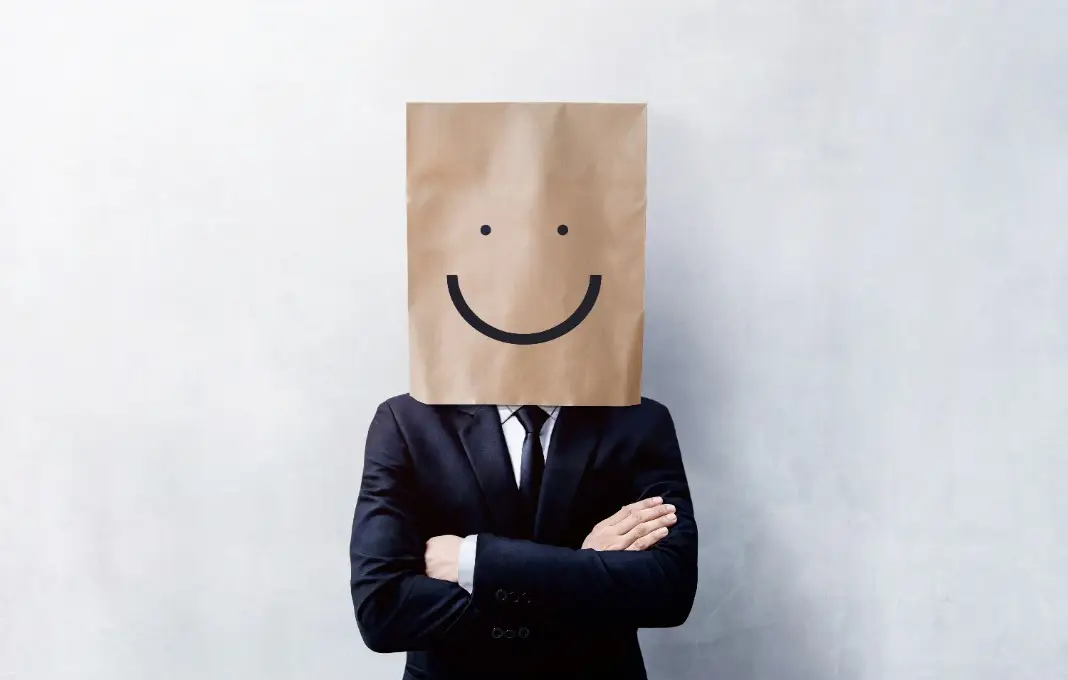
But beneath that convenience, a subtle shift is occurring. The more “perfect” these images become, the more they risk undermining the very thing they are meant to establish: trust.
This is the authenticity paradox.
The Psychology of First Impressions
Research consistently shows that people form judgments about competence, trustworthiness and likability within milliseconds of seeing a face. Long before a conversation begins, your headshot is already doing the work of a first interview.
What is less widely understood is how sensitive the human brain is to visual authenticity. We are wired to detect micro-expressions, asymmetry, natural imperfections, context and style, the signals that help us determine whether someone is real.
AI-generated images often smooth over these signals. Skin texture becomes uniform. Lighting becomes mathematically balanced. Facial expressions land in a narrow band of pleasant neutrality. The result is technically impressive, but psychologically ambiguous.
Viewers may not consciously identify the issue, but they feel it. Something is off. And in high-stakes environments that subtle uncertainty can translate into at best hesitation and at worst distrust of someone professionally catfishing us or dislike of someone trying to fool us.
When ‘Better’ Looks Worse
Ironically, the pursuit of visual perfection can make a professional image less effective.
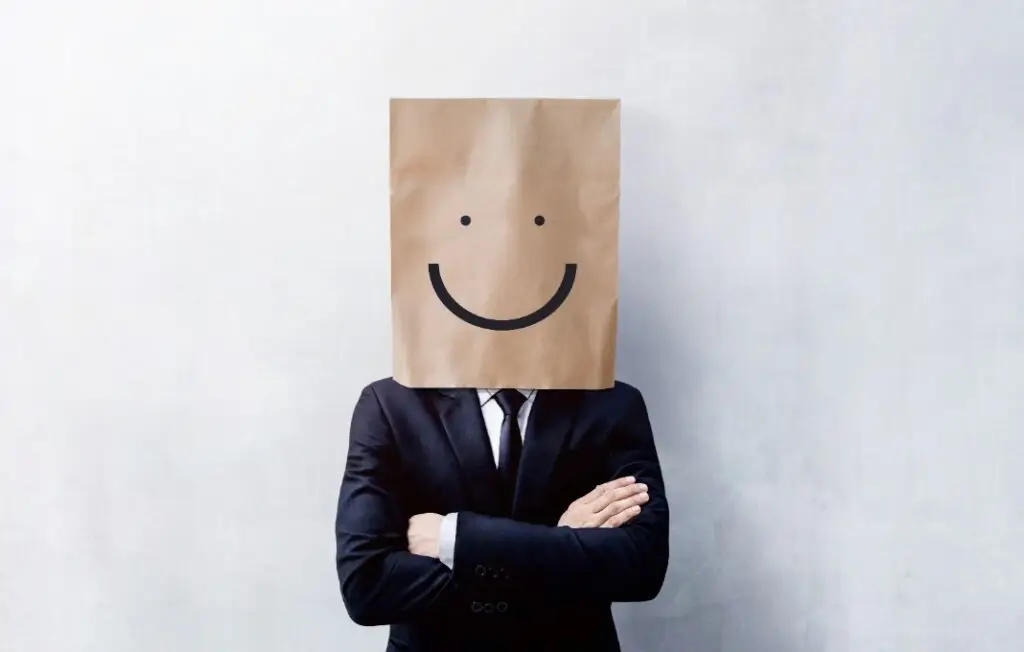
An AI-generated headshot can signal several negative things to a discerning audience: The individual is misrepresenting themselves; they are prioritizing image over substance; they cut corners; they are not confident about themselves. None of these builds confidence.
This is particularly relevant in industries where credibility is the product. Clients, investors and partners are not simply evaluating how polished you appear. They are assessing whether you are someone they can rely on.
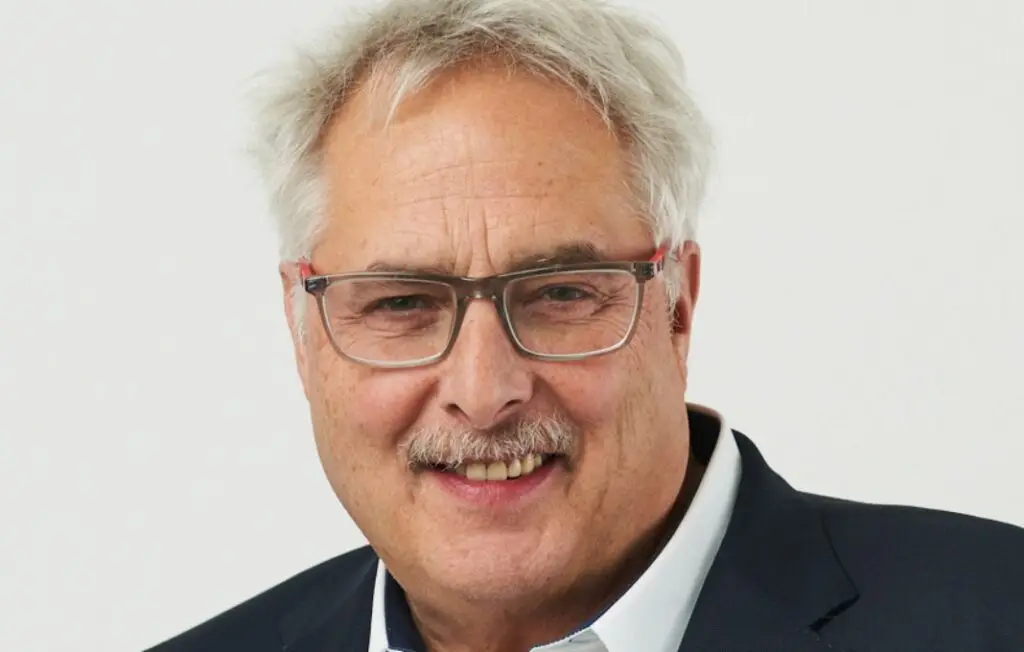
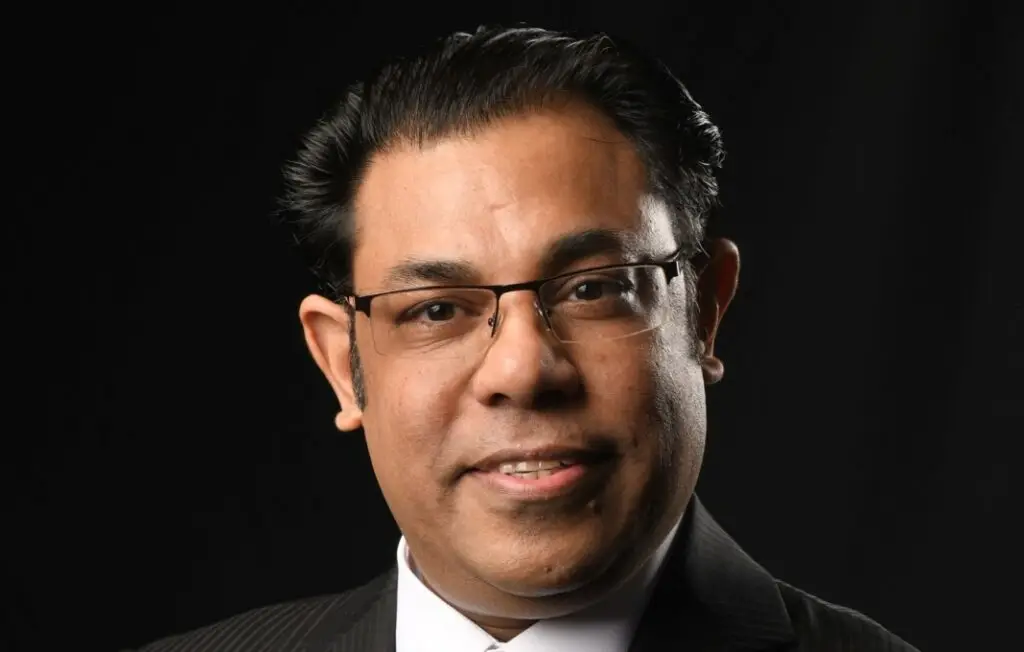
A headshot that feels slightly imperfect but genuinely human often outperforms one that is flawless but artificial. Authenticity, not perfection, is what creates connection.
The Risk to Personal and Corporate Brands
For individual professionals, the risk is reputational drift. If your online image does not match your in-person presence, even subtly, it creates friction. That friction can show up in job interviews, client meetings or media appearances where expectations and reality do not fully align.
For organizations, the stakes are higher. A company’s visual identity is a proxy for its credibility. When every executive portrait looks indistinguishably “generated,” it can dilute the perception of leadership authenticity. It can make your website look like a scam site.
There is also a growing scrutiny of how AI is used in outward-facing communications. Companies that rely on synthetic imagery in marketing or advertising without clear disclosure are entering ethically and increasingly legally uncertain territory. Regulators such as the Federal Trade Commission have already signaled a willingness to challenge misleading representations in digital media. As enforcement evolves, the cost of “looking polished” at the expense of truth may become more than reputational.
What Authenticity Actually Looks Like
Authenticity in a headshot does not mean casual or unpolished. It means intentional and real.
An effective professional image communicates three things immediately: competence, likability and alignment with your role and personality. That comes from a combination of expression, posture, styling and environment, not from artificial enhancement.
Key indicators of an authentic headshot include:
- Natural expression: a genuine expression that reflects your proper ratio of confidence to likability.
- It should actually be you.
- Contextual alignment: wardrobe, background and tone that match your industry, seniority and personality.
- Consistency: cohesion across LinkedIn, company profiles and press that reinforces recognition and credibility.
These elements are difficult to fabricate convincingly at scale, which is why authenticity stands out more in a digital-first world, making this a great way to separate you from average people.
A Strategic Asset, Not a Commodity
For C-Suite leaders, a headshot is not a checkbox. It is a strategic asset tied directly to perception, influence and opportunity.
It shapes how investors perceive leadership. It affects whether media outlets view you as credible. It influences whether potential partners feel confident initiating a conversation. In many cases, it determines whether someone decides to engage with you at all.
As AI continues to lower the barrier to producing visually appealing images, the differentiator is no longer quality alone. It is believability and whether it accurately represents the person others will meet, work with and trust.
In a marketplace increasingly saturated with artificial perfection, authenticity is not a limitation. It is a competitive advantage.