
HR leaders now have access to more data than ever before: engagement surveys, behavioral data, outcome metrics. But even with all the numbers in the world, you aren’t going to get the full picture.
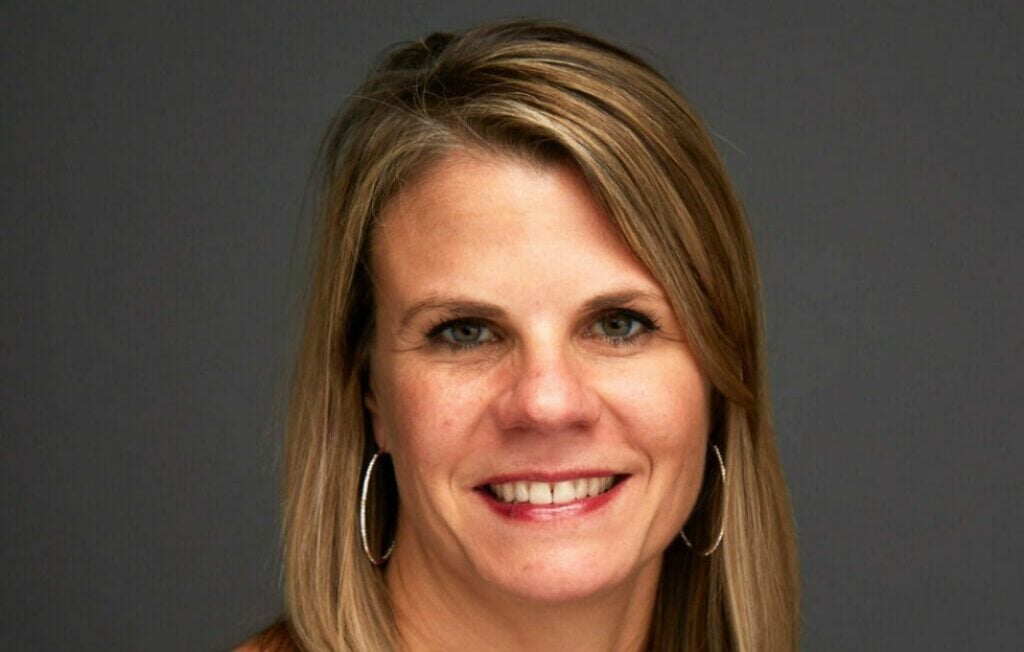
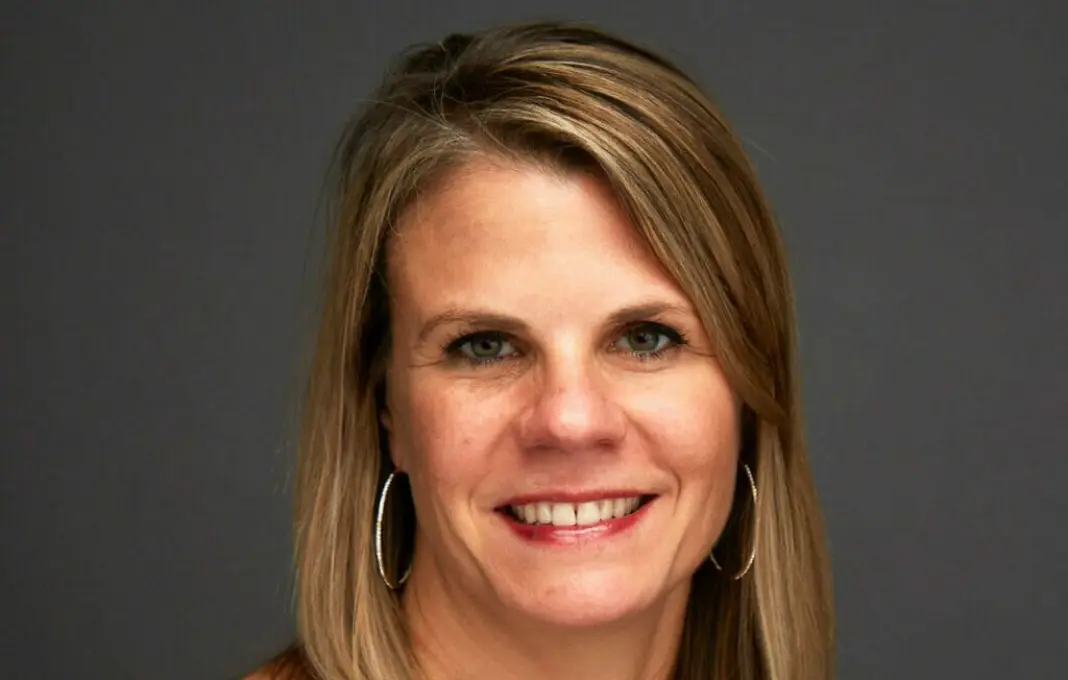
“People decisions are rarely black and white. They require context, experience and an understanding of human behavior,” says Jackie Dube, chief people officer at behavioral analytics firm The Predictive Index. “A dashboard can tell you something is shifting, but it can’t fully explain why.”
In an interview with StrategicCHRO360, Dube shares strategies for balancing data analysis with human judgement, how to make the right hire and why curiosity is the most powerful tool.
How have deep insights into workplace behavior patterns influenced your HR strategy?
Understanding behavioral patterns completely changed how I think about talent. Early in my career, I hired based on resumes, degrees, titles and years of experience, but I’ve learned that those are lagging indicators at best.
What really drives performance is whether someone is wired to thrive in your environment. If you’re a fast-paced company making big decisions quickly, you need people who can operate with ambiguity and speed, otherwise, you’ll spend all your time managing friction instead of driving impact.
We hire for curiosity, adaptability and hunger over hard skills because skills can be taught; behavior is much harder to shift. When you build a workforce aligned around how work actually gets done, not just what gets done, you create flexibility.
That’s how you can move people across functions and adapt without constantly hiring externally. You can see what people are naturally good at and move them into roles that fit their people skills, not just their technical abilities.
Leaders often overlook the hidden cost of this behavioral misalignment in their organization. It doesn’t always show up immediately in performance metrics. It can instead show up in warning signs like disengagement, slower decisions and burnout, which typically present more quickly to leaders than metrics such as revenue per employee. When leaders overlook these warning signs, they are limiting organizational growth.
How should CHROs balance analytics with judgment and experience when making high-stakes people decisions?
Data is one of the most powerful assets HR leaders have. It helps us see patterns in engagement, turnover, trust in leadership and team dynamics that we might otherwise overlook. Seeing those patterns early means you can act before small issues become costly ones.
At the same time, people decisions are rarely black and white. They require context, experience and an understanding of human behavior. A dashboard can tell you something is shifting, but it can’t fully explain why.
I’m a big believer in using data to inform decisions and reduce blind spots—and that includes behavioral data, which gets at the nuance that outcome metrics alone can’t capture. Knowing someone’s personality, how they’re wired to communicate, or how a team’s dynamics are shifting gives you far more to work with than an engagement score.
But even with that depth, data shouldn’t make the final call. Timing, organizational context and what a leader is navigating personally—those factors require human judgment to interpret.
If engagement dips on a team, that’s a signal to get curious. It’s an invitation to ask better questions. What’s changed? How is the manager showing up? What pressures is the team under? The numbers start the conversation, but they don’t replace it.
For CHROs, especially, understanding the business is essential. How does the company make money? Where are the risks? What does growth require from our people?
Talent decisions should reflect that broader picture. The best outcomes happen when analytics give us objectivity and behavioral insight, and leadership experience helps us interpret what it really means.
With AI reshaping HR functions, how do you see the human element of HR evolving?
Administrative work, first-round resume screening and drafting communications are all areas where AI automation can create real efficiency. When we reduce transactional work, we create space for HR leaders to focus on what actually drives performance: talent strategy, leadership development, culture and trust. It means fewer forms and more meaningful conversations.
At the same time, AI could never replace human judgment and empathy. It can spot patterns in data, but can’t sit in the middle of a difficult leadership conflict or coach someone through a pivotal career decision. It can’t read the emotional tone of a room, either.
People need clarity, context and connection. Our role shifts from managing processes to advising leaders and shaping culture with intention. If anything, this is why, as work becomes more digitized, the human side of HR becomes even more invaluable.
There’s also an employee experience component here, as it’s one of the most important human elements of HR. Psychological safety matters. If AI is part of HR processes, employees need transparency about how it’s being used and the role it plays in decisions that directly affect them.
They don’t want to wonder whether feedback came from their manager or a system. When employees can see that AI is being used thoughtfully in support of human judgment, they’re far more likely to trust the change.
How should HR leaders approach building inclusive cultures while navigating increased cultural and political workplace conflicts?
Workplace tension doesn’t disappear just because leadership avoids it. When cultural or political differences surface, HR’s role is to create clarity around expectations, such as respect, professionalism and treating colleagues with dignity, regardless of differing views.
I’ve found that inclusion efforts are most effective when they’re employee-led. When people have a real voice, through advisory councils, listening forums or representative groups, they feel ownership instead of having programming pushed at them. That builds trust. When employees feel that kind of ownership, they’re more likely to engage constructively and more likely to hold each other to those shared expectations.
HR shouldn’t take sides, but we should facilitate conversations, ensure communication lands the right way and hold leaders accountable for modeling respect. Inclusion isn’t about getting everyone to agree. The goal is to build a culture where people can coexist, collaborate and do their best work regardless of their differences.