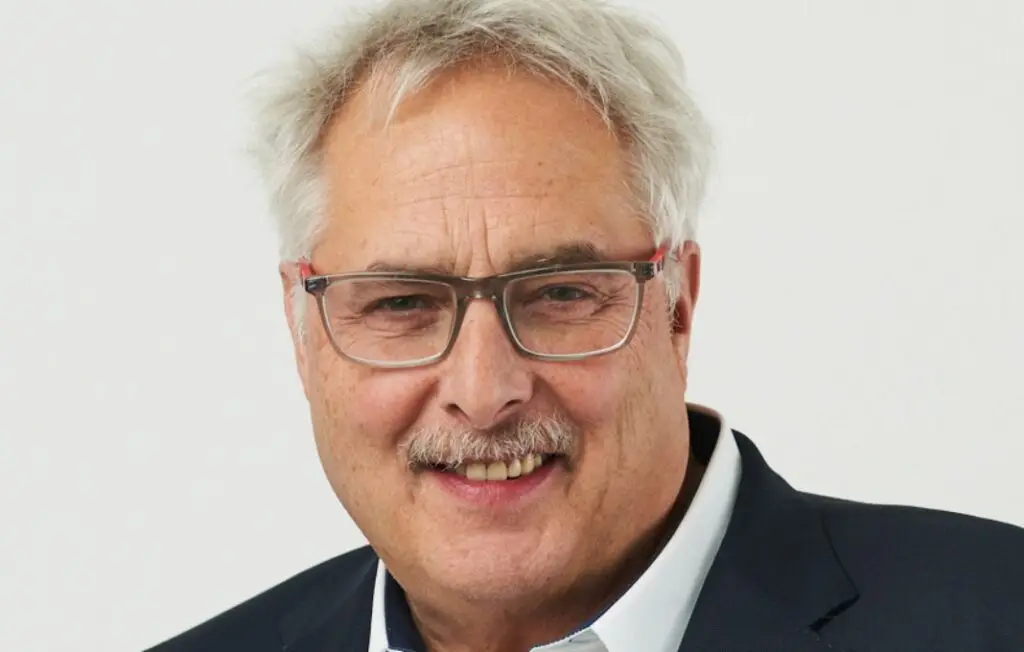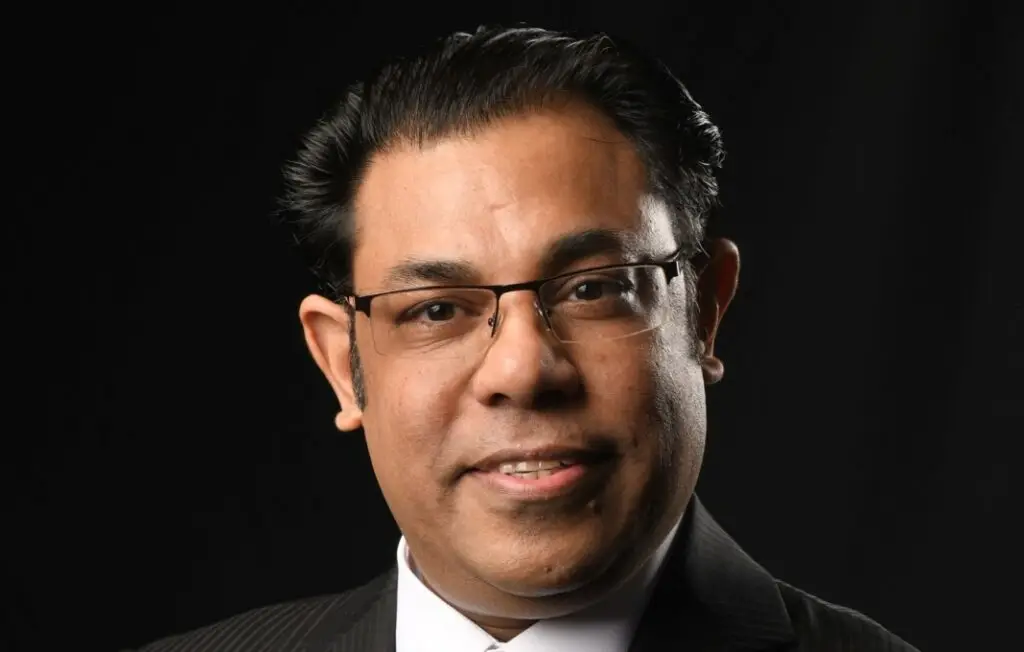

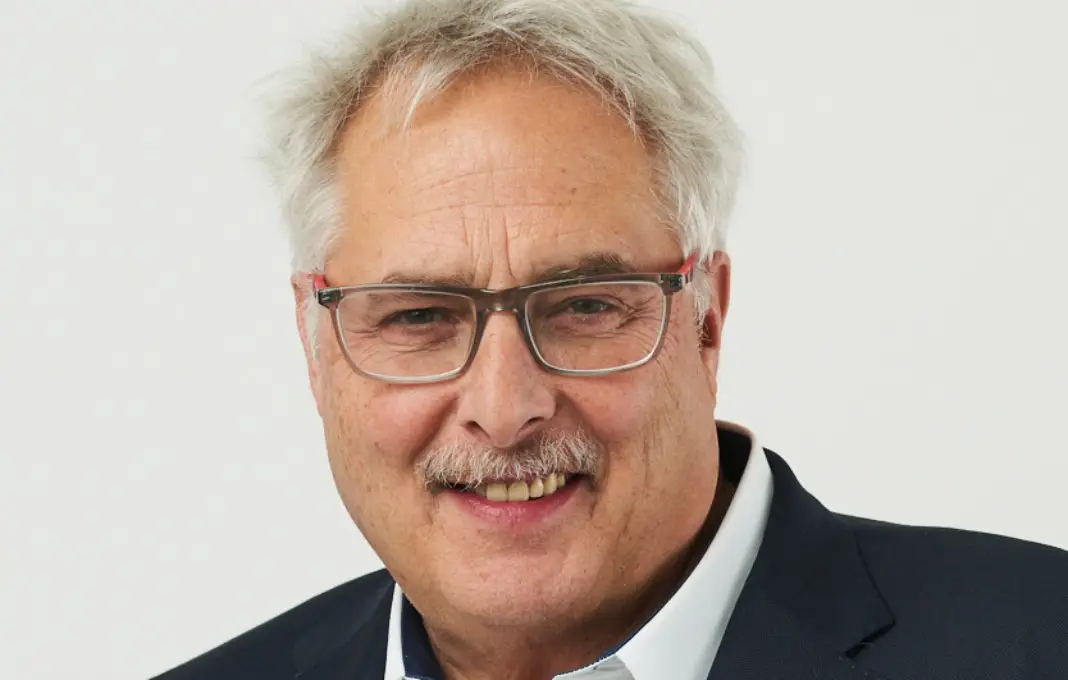
As president of New York City-based CGS Immersive—a company that designs learning and development programs, including immersive, AR experiences—Doug Stephen has thought a lot about what makes training in an organization stick, and stay relevant in a quickly changing world.
The tricky part he says, is translating what’s learned in a course or program into a real-life situation that can include heightened stakes or emotions. The solution: “Start with the job’s moments that matter—the conversations, decisions and tasks that drive outcomes, then build practice around those moments with tight feedback loops,” he says.
In conversation with StrategicCHRO360, Stephen shares the practical actions HR leaders should consider when it comes to future-proof L&D.
Many HR leaders are being asked to future-proof their workforce at a time of rapid change. From your vantage point, what capabilities matter most right now—and which ones are HR leaders most at risk of overlooking?
Right now, the most future-proof organizations are building a dual advantage: AI fluency plus human judgment. That means helping employees understand how to work with AI tools: ask better questions, validate outputs, protect data, while doubling down on the capabilities AI can’t replace like sensemaking, relationship-building, coaching and decision-making under ambiguity.
The capability I see HR leaders most at risk of overlooking is what I’d call “performance in the moment”: the ability to handle real conversations and real scenarios—customer escalations, safety calls, leadership feedback, ethical dilemmas—with confidence and consistency. That’s where readiness is either proven or exposed. From my vantage point supporting enterprise workforces globally for decades, the winners treat capability-building as a living system, not a one-time program.
You’ve worked closely with CHROs as learning and development has shifted from classroom training to real-world readiness. What have you learned about how HR leaders can better connect training investments to on-the-job performance?
The biggest shift I’ve seen is that HR and L&D can’t be in the content business anymore; they have to be in the readiness business. The way to connect training to performance is to start with the job’s moments that matter—the conversations, decisions and tasks that drive outcomes, then build practice around those moments with tight feedback loops.
Completion rates are a lagging indicator; the leading indicators are behavior change, confidence, speed-to-competency and manager-verified application. It’s important that we stop tracking completions and start tracking conversions.
The most effective approaches blend realistic practice—roleplay, simulation, coaching and measurement—then reinforce it in the workflow so people can apply skills immediately and repeatedly. That’s also why scalable, unscripted scenario practice has become so powerful: You can deploy it quickly, personalize it and measure it without waiting months to build perfect content.
AI is now part of nearly every HR conversation. In your experience, how should HR leaders think about balancing automation with the need to preserve empathy, accountability and human judgment?
HR leaders should treat AI like a co-pilot, not an autopilot. The right balance is to automate what is repetitive and rules-based—drafting, summarizing, routing, answering common questions—while preserving humans for what is nuanced and consequential—employee relations, performance decisions, ethical trade-offs and leadership moments.
The key is governance and clarity. AI can recommend, but a named human must own decisions. Said differently: Automate the task—don’t automate the trust. That includes transparency about when AI is used, safeguards for privacy and bias, auditability of outputs and training HR teams to challenge AI results instead of accepting them.
Used well, AI can actually increase empathy by giving HR time back—more listening, more coaching, more presence—because the administrative drag is reduced.
Looking back on your own career working alongside HR leaders, what leadership lessons have most shaped how you approach talent, culture and readiness today—and what advice would you offer CHROs navigating similar inflection points?
The biggest lesson I’ve learned is that culture is built in what you practice, not what you poster on the wall. Readiness doesn’t come from knowing; it comes from rehearsing in conditions that resemble reality, with feedback that’s timely and actionable. That’s shaped how I think about talent and culture today: Hire and promote people who raise the standard in the room, and who learn fast.
My shorthand is AEC: Attitude plus Effort plus Curiosity: smart people who show up with positive energy, do the work and keep asking better questions. Culture is what you rehearse, whereas AEC is who you bet on.
For CHROs navigating this inflection point, my advice is: Invest heavily in managers as coaches, make skill-building measurable and design a culture where experimentation is safe—but accountability is non-negotiable.