
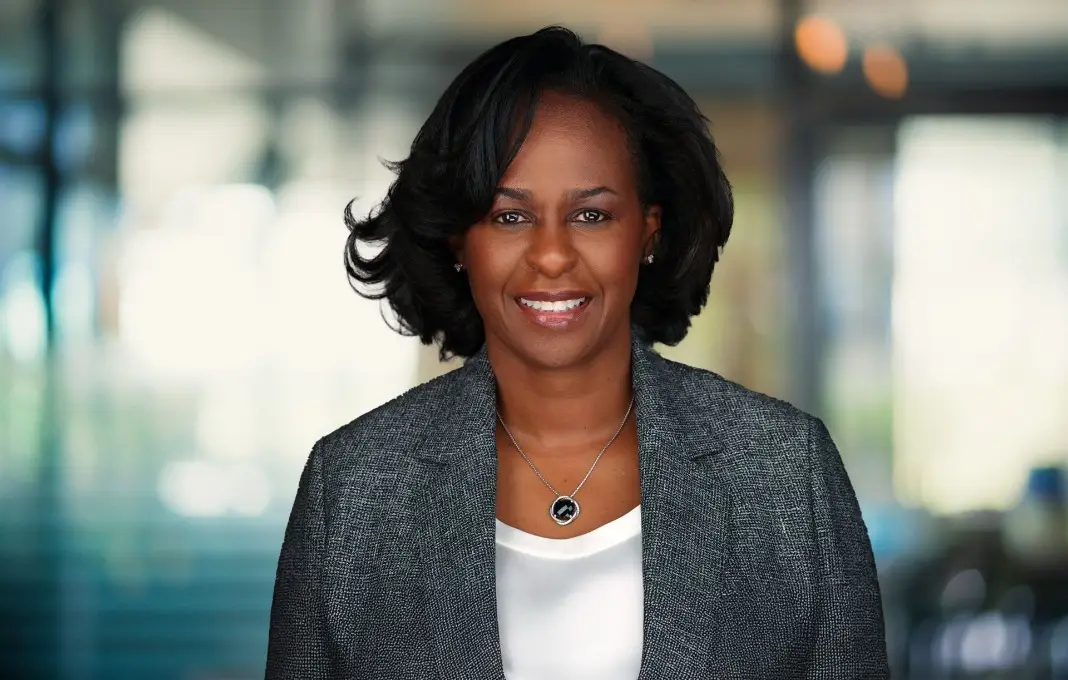
If organizations want to keep up-and-coming talent for the long run, “career agility” should be top of mind. As Leslie Patterson, EY’s Americas and U.S. inclusiveness leader, says, think of it as moving away from the more traditional “ladder” to something like a “career playground.”
In a conversation with StrategicCHRO360, Patterson shares results from her firm’s recent survey of 5,000 full-time, white-collar employees at large organizations, and one of its key takeaways is how much younger workers prioritize agility. Patterson also delves into changing workplace perspectives around company culture, learning and development, and workplace expectations overall.
Employees are increasingly prioritizing career mobility, upskilling and flexibility alongside, or even above, compensation. How should HR teams rethink things like career pathing and learning and development to fit the changing expectations of a multigenerational workforce?
The way employees think about work and their careers is changing, especially when you compare the four main generations: Gen Z, millennials, Gen X and baby boomers.
Many insights emerged from our survey of workers, but a big one for us was that as Gen Z maps their professional future, what matters most to them professionally diverges from other generations. While compensation remains important, they rank flexible work, career mobility and upskilling opportunities as top factors when considering a new role.
As leaders, we should look to create personalized career experiences that resonate across generations. This means showcasing investment in professional growth, career development and customizable benefits—not only during recruiting but throughout an employee’s time with the organization.
At EY, career agility is a core part of the employee experience. It moves us from the more traditional “ladder” to somewhat of a career playground. Professionals at every level continuously develop, grow and hone their skills. They take on new challenges, stretch experiences or roles.
We help them identify the skills they need to build for future career success so they can embrace opportunities across teams, geographies, service lines and industries.
From an HR perspective, how can organizations make culture measurable and actionable rather than aspirational?
An overwhelming 94 percent of our survey respondents say workplace culture impacts their decision to stay with their employer. This is a slight uptick from 92 percent in 2022, when we first conducted this research.
Ultimately, culture is a unifier across the generations. In fact, respondents all agree the most valuable aspect of workplace culture is how people treat each other.
Culture is how people experience the organization, coming to life through everyday interactions, decisions and behaviors. It is how leaders respond and communicate in the face of challenges and tensions and how people celebrate wins and show up for one another. It’s determined by inclusive practices, where people can feel seen, valued and respected for who they are and the perspectives they bring.
Sustaining culture demands more than just holding leaders accountable. Organizations need to emphasize key behaviors, routines and recognition. They need to use outcomes and impacts to measure progress, which makes culture tangible, trackable and actionable. This all leads to higher productivity, increases employee engagement and improves business outcomes.
Burnout and stress remain persistent challenges. How can HR leaders best support well-being and performance, and why is it important they don’t default to one-size-fits-all policies and approaches?
Professionals are feeling stressed, and our survey uncovered some clear warning signs leaders need to pay attention to.
Among professionals who plan to leave their jobs within a year, about a third say it’s because they are feeling burned out, their employer isn’t meeting their expectations or their mental health is negatively impacted. This is especially true for Gen Z and millennials.
But how can an organization prevent this from happening? One way is a simple check-in. This doesn’t mean checking in about a project or deliverable. It’s about checking in on how someone is doing, taking the time to understand what matters to them and really listening.
Another way is regularly surveying and listening to employees to better understand their needs. This helps leaders keep a finger on the pulse of what’s working, what’s not and how people are feeling. Fueled by these insights, organizations can be better equipped to put programs, resources and benefits in place that meet their people’s needs.
Looking back on your own career, what pivotal moments or lessons have shaped your approach to creating inclusive, values-driven workplaces? What advice would you give leaders navigating similar challenges today?
We spend so much of our time at work, and over the course of our careers, we will experience change, both personally and professionally.
I joined EY right out of college and have experienced many stages of life here at the firm. I became a CPA, met and married my husband, became a mother to and raised my three boys, embraced career agility to take on roles across our various business units and formed lifelong friendships.
What has really shaped my journey at EY—and my career path overall—are my mentors, sponsors and champions. They’ve guided me, coached me, advocated for me and pushed me. They’ve helped me succeed, overcome challenges and been there as I’ve navigated tough decisions and life changes.
I know firsthand what an inclusive workplace looks like. And that makes me want to ensure we create an EY where all of our people can feel like they belong and are valued for the perspectives they bring to their teams, our firm and our clients. In fact, having colleagues, advisors and leaders who genuinely care is what led me to my role today leading inclusiveness for the U.S. and Americas.