
Between trends like quiet-cracking, coffee-badging, job-ghosting and more, what these never-ending buzzwords can tell us is that everyone is eager to understand how expectations and behaviors around work are shifting.
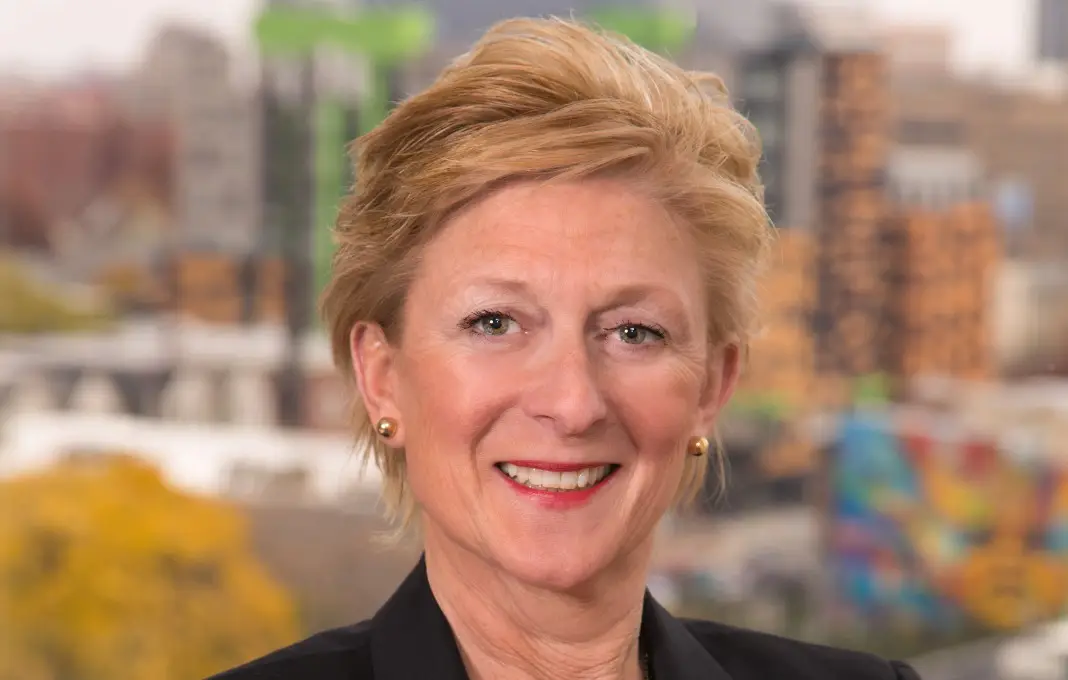
“Flexibility and empathy are no longer ‘nice to haves’—they’re expected,” says Helen Marshall, chief people officer at Campus Apartments, a Philadelphia-based company that provides on- and off-campus student housing for colleges across the country. “That shift didn’t just come from Gen Z or early-career professionals; it was accelerated by Covid and has since become universal.”
Marshall spoke with StrategicCHRO360 about the changing needs of jobseekers, innovation in the HR function and building trust through transparency.
What advice would you give fellow HR leaders for helping job seekers truly evaluate culture before they accept an offer, and what are you doing differently these days to ensure transparency?
Helping job seekers evaluate culture starts with transparency during the interview process. That means ensuring hiring managers are prepared to answer real, values-based questions, not just about the role, but about growth, flexibility and team dynamics. I always encourage job seekers to ask to speak with current or former team members in similar roles. That firsthand context often reveals more than any website or job description can.
From a leadership perspective, I think it’s critical to make that type of access part of your process. Creating space for candidates to hear about lived experiences, especially from those who’ve grown within the organization, builds trust and sets a tone of openness. I also advise looking beyond anonymous review platforms. Sites like LinkedIn can give a more holistic view into tenure, career paths and how the organization supports development.
Finally, leaders should be ready to talk about things like turnover candidly. Numbers only tell part of the story. Candidates deserve the full picture, including the context behind workforce shifts and patterns.
In today’s era of economic uncertainty and AI disruption, how should CPOs approach stability and innovation at the same time?
While stability and innovation may feel like opposites, they absolutely can, and should, co-exist. From a staff perspective, stability isn’t about making promises you can’t keep; rather, it’s about demonstrating that your organization has weathered change before, and has the leadership maturity to do it again. CPOs should help candidates and team members see the evidence of long-term thinking: steady career paths, thoughtful workforce planning and a values-based culture that doesn’t shift with every market swing.
On the innovation side, particularly with AI, I think the best approach is to lead with curiosity instead of fear. Most team members aren’t worried about being replaced, but are instead observing whether leadership is open to using new tools to improve efficiency and reduce burnout. HR leaders should communicate how and why they’re testing these tools, and involve teams in conversations about what tasks AI could alleviate and improve rather than eliminate.
What workplace values or practices are non-negotiable these days, and how can HR leaders evolve to meet this new standard of team member expectation?
Flexibility and empathy are no longer “nice to haves”—they’re expected. That shift didn’t just come from Gen Z or early-career professionals; it was accelerated by Covid and has since become universal. Team members across every generation now expect leaders to understand that life and work are deeply intertwined, and to build policies that reflect that reality.
CPOs need to abandon one-size-fits-all thinking. We have to meet team members where they are. That could mean supporting different work schedules, offering alternative career paths or simply acknowledging that not everyone aspires to move up the ladder. Growth can mean deepening expertise, not just changing titles.
The question to ask is: What do we do when things get hard? That’s where culture shows up. The best leaders don’t just preserve jobs; they preserve dignity, communication and support. That’s what team members remember, and that’s what sets truly human-centered workplaces apart.
Looking back at your career progression, what lesson do you wish more HR leaders would take seriously as they grow into C-Suite roles?
One of the biggest lessons I’ve learned is that not everyone defines success the same way, and that’s a good thing. I used to think strong performers should always be nudged into management. But over time, I’ve realized that real leadership is about honoring someone’s personal goals, not overlaying our own.
I learned this through building relationships, listening, observing and mentoring people in a variety of roles and disciplines. An individual’s definition of success can evolve as they grow, both professionally and personally.
Another lesson is that empathy and flexibility are strategic, not soft. HR leaders who build credibility in the C-Suite are the ones who balance data and humanity. They understand the business, yes, but they also know how to read the room, respond with care and adapt their approach.
I’d also tell any up-and-coming HR leader that you’re helping to both support AND shape the business you’re working at. The way we hire, train and respond to change impacts everything else. Don’t wait for permission to lead with intention.