
Nowadays, employees respond to benefits that support their “whole self.”
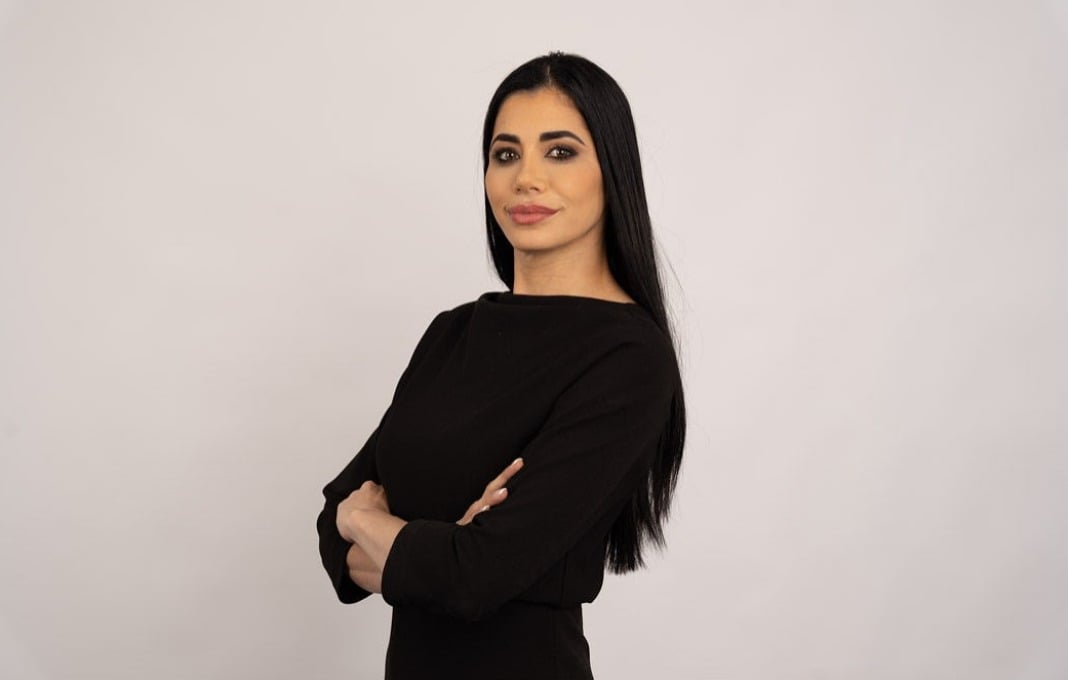
So says Laila Gillies, head of human resources at Hiscox USA, an Atlanta-based global insurance company. Gillies shares her insights on benefits and other HR offerings that employees particularly appreciate.
What are some examples of non-traditional benefits that resonate most with employees right now?
Today’s employees tend to expect more than “standard” benefits; they want an employer who recognizes their whole self, and support that reflects that. CHROs should think beyond traditional offerings and invest in benefits that promote flexibility, personal growth and purpose.
At Hiscox, we’ve found strong engagement with the more unexpected perks, like our paid four-week sabbatical for every five years of employment, which gives people the space to fully unplug, explore personal passions or simply rest. We offer inclusive parental leave that recognizes all pathways to parenthood—covering maternity, paternity and adoption—so all new parents have time to bond with their children.
We also support purpose-driven engagement through the Hiscox Foundation, offering not just donation matching but volunteer grants of up to $1,000 annually to help employees give back to causes they care about.
Our holistic approach to well-being includes WeMind employee networks, which promote mental health through training sessions and panels on topics like mindfulness and stress reduction as well as fitness reimbursements and wellness challenges that promote physical health and camaraderie. And we proactively support employees’ financial knowledge through in-person and virtual financial literacy sessions during working hours.
These types of programs aren’t just perks; they’re signals that employees are trusted and valued. The most impactful CHROs are building benefits strategies that support the whole person and reflect evolving workforce expectations.
What role does upskilling play in retaining employees, and how can companies balance short-term performance with long-term employee development?
One of the most powerful ways a company can show commitment to its employees is by investing in their long-term success. In today’s fast-evolving workforce, upskilling isn’t a luxury; it’s a necessity and it’s part of our retention strategy.
Whether it’s enhancing existing capabilities or developing entirely new skill sets, continuous learning helps our people stay ahead of industry shifts and opens up new career paths for them within the company. It’s critical for companies to build a future-ready workforce so training should reflect emerging technologies, methodologies and best practices.
For example, we offer immersive training in emerging technologies like AI through digital learning platforms like LinkedIn Learning, along with structured mentoring programs that connect top-level employees with others seeking career guidance.
To support our upskilling, we’re shifting away from traditional job title hiring and toward recruiting based on skills and expertise. This broadens our talent pool from within and brings in more diverse candidates, better preparing us to meet the challenges of tomorrow.
By aligning business priorities with skills-based development and embedding them into everyday workflows, we support individual career goals while strengthening overall performance. When employees see a path forward, they stay engaged—and they stay longer.
Many companies gather employee feedback, but few act on it meaningfully. What are best practices for integrating feedback into HR strategy and maintaining employee trust?
Our approach is rooted in listening—not just once a year, but across the employee journey. We’ve built an end-to-end listening strategy conducting annual engagement surveys and shorter pulse surveys to gather feedback in real time. But trust hinges on what happens after you listen.
We don’t just collect data; we act on it. A good example: We modified our hybrid working approach based on feedback that individuals were coming into the office on days when their teams were not there or doing work that could have been performed just as effectively at home.
Based on that, we adopted an activity-based working model, which provides individuals with the flexibility to work from home when performing activities that are best done remotely and coming together for activities that are more effectively done in person, such as innovation sessions and team building.
This way, employees maintain the flexibility to manage their everyday lives and the surprises that come with it without diluting the values that ultimately drive our culture.
With wellness now spanning mental, social, physical and financial dimensions, how should HR teams prioritize and tailor programs to meet diverse employee needs without overwhelming them?
The key is a flexible, holistic approach that integrates wellness into daily work life, not just as a list of benefits.
At Hiscox, our programs support all dimensions of wellness: mental health through resources like Headspace and our WeMind employee group, social health via intentionally designed hybrid work and volunteer programs that foster connection, financial health with real-world financial literacy sessions both inhouse and online scheduled during the workday, and physical health through competitive challenges and subsidized gym access.
Importantly, rather than overwhelming employees with options, we embed wellness into their routines. In fact, employees consistently rank our wellness programs among the top five reasons they join the company, and our approach has earned us the Cigna Gold Level Healthy Workforce Designation five years running.
By making wellness part of your culture, not just offering it as an add-on, you meet employees where they are, and support a healthier, more engaged workforce.