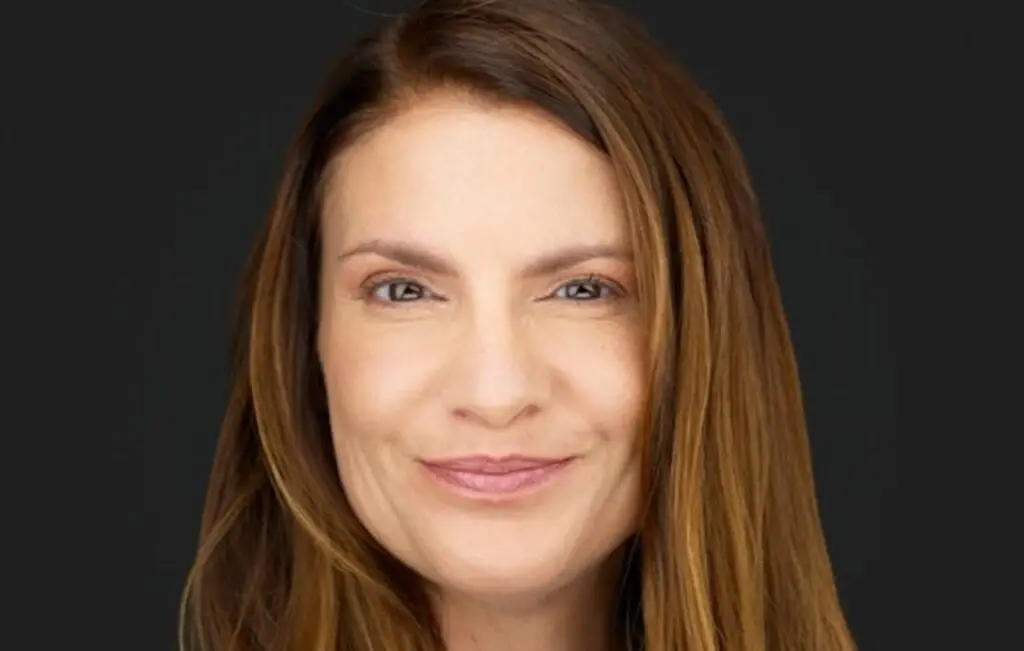


Melanie Oberman has developed some unique strategies from years leading people teams across several high-growth tech startups. She is currently chief people officer at Contentsquare, a New York City-based company that provides an online platform for companies to analyze user experiences within their digital channels.
What Oberman has found transformative is approaching company culture similarly to a new product going to market. She and her team run monthly surveys and feedback forums, and are ready to iterate as needed to meet employee needs.
“We update the questions based on what’s happening in the business, whether it’s gauging sentiment around a new strategy or understanding collaboration during a hybrid work pilot,” she says. “This approach ensures we are always hearing from employees in real-time, adjusting our people strategies with agility rather than reacting months too late.
“A key learning through this process is that building a strong culture isn’t about one-off engagement initiatives,” Oberman says. “It’s about training the organizational muscle to listen, respond and adapt continuously.” In an interview, she digs deeper into this “user-first” mentality, how she’s using AI and the values-driven framework that helps her meet the demands of a modern HR role.
You’ve led people functions across several high-growth tech companies. What key principles have remained constant in your approach to building successful teams, regardless of company size or stage?
Throughout my career, no matter the company’s size, industry or growth stage, three principles have always anchored my approach to building successful teams: accountability, end-to-end ownership and a growth mindset.
Accountability isn’t just about meeting deadlines; it’s about being truly invested in the work and its impact. I expect team members to own projects from start to finish, even when challenges arise that fall outside their formal job descriptions. When people take full responsibility for outcomes, not just tasks, the entire team performs at a higher level.
End-to-end ownership complements that accountability. If someone raises their hand for a project, they’re trusted to drive it forward, troubleshoot issues and rally the right stakeholders, no matter how complex the process becomes. Leadership is there to guide, advise and support, but entrusting ownership builds pride, resilience and, ultimately, better results.
Equally important is fostering a growth mindset. In today’s environment, where organizations are constantly evolving, people need the freedom to stretch beyond their comfort zones. I encourage my teams to view mistakes as opportunities to learn and get better, not as failures to fear. Regular retrospectives and open conversations help normalize learning from setbacks.
I see this firsthand: One of my team members recently shifted from recruiting operations into leading end-to-end performance management—something she had never done before. She was nervous, but we set up the right support and resources, and now she’s growing into a critical leadership role.
Your approach to running people teams like product teams is quite innovative. How does this methodology translate into practical strategies that other people and HR leaders could implement?
Thinking about people operations like a product organization changes everything. It demands iteration, feedback loops and a user-first mentality. One of the most practical strategies I’ve embraced is treating feedback as a constant input, not a twice-a-year event.
We’re regularly using traditional annual engagement surveys and monthly pulse surveys to learn how the HR organization can support the entire Contentsquare team. We update the questions based on what’s happening in the business, whether it’s gauging sentiment around a new strategy or understanding collaboration during a hybrid work pilot. This approach ensures we are always hearing from employees in real-time, adjusting our people strategies with agility rather than reacting months too late.
Beyond surveys, we run monthly feedback forums to dig deeper into emerging themes and trends from the business. This direct, candid dialogue helps surface what’s working—and what’s not—before challenges fester.
One major benefit of this model is that people are seen and heard. When employees see their feedback being discussed at both executive and team levels, and they see tangible actions taken, it builds a culture of trust. It also decreases the likelihood that frustrations spill over onto public forums because people know they have internal channels where their voices matter.
A key learning through this process is that building a strong culture isn’t about one-off engagement initiatives; it’s about training the organizational muscle to listen, respond and adapt continuously. Transparency, even when we can’t act on every piece of feedback, keeps employees engaged because they know they’re part of a company that values their voice.
Over time, this continuous feedback mindset turns into a powerful competitive advantage: a more connected, committed and resilient workforce that evolves alongside the business.
With AI and other technologies reshaping the workplace, how are you adapting your talent strategies—and what emerging trends do you believe will define the future of work for people leaders?
AI is changing how we work, and it’s critical for people leaders to adapt thoughtfully. We’ve taken early steps by offering virtual trainings on responsible AI use and establishing clear guidelines for how employees engage with AI tools.
Recognizing that different teams have different needs, we take a flexible, team-by-team approach to AI adoption rather than forcing a one-size-fits-all solution. Many Contentsquare leaders embrace AI in their day-to-day, and encourage their teams to make use of it also. By being transparent, it encourages responsible uses of AI and is not something employees feel like they have to hide.
If we’re looking ahead, AI also presents a huge opportunity to reimagine the employee experience. I’m excited by the idea of making people operations more self-serve, using AI to help employees quickly find information, solve problems and navigate their careers more efficiently.
At the same time, as technology takes over more routine tasks, human leadership skills will become even more essential. Emotional intelligence, change management and authentic connection will define who succeeds. We’re entering a future where nurturing soft skills is just as important as technical expertise.
I also think that traditional organizational structures will need to evolve. Leaders will have to be more flexible and adaptable as teams become leaner and work becomes more fluid. Building a culture that embraces change, while staying grounded in strong leadership fundamentals, will be key to thriving in the years ahead.
As the role of people leaders continues to evolve, what core priorities do you believe are essential today—and how does a framework like the LEAP model help leaders meet these modern demands?
Today’s people leaders are being asked to do more than manage talent; they’re expected to shape culture, guide transformation and help their organizations thrive through change. That’s why I believe leaders need a clear, values-driven framework to anchor their efforts. For me, that’s the LEAP model: Leadership, Engagement, Authenticity and Performance.
Each element of LEAP reflects a top priority for people leaders right now. We need to develop leaders who can coach others, not just execute. We have to drive engagement by creating clarity and fostering accountability.
Authenticity is non-negotiable. People want to work in environments where they feel safe, included and empowered to show up as themselves. And of course, performance still matters, but it has to be nurtured in a way that recognizes effort, individual strengths and fuels long-term growth.
The beauty of a framework like LEAP is that it gives leaders a way to scale a people strategy without losing sight of what really matters. It keeps development aligned with business values and goals, but rooted in the human experience. And in a time when the workplace is shifting so quickly, that kind of structure creates the consistency and clarity that teams need to stay focused and succeed.