
To be remote, or not to be remote—that is not the question. At least for Ian Bell.
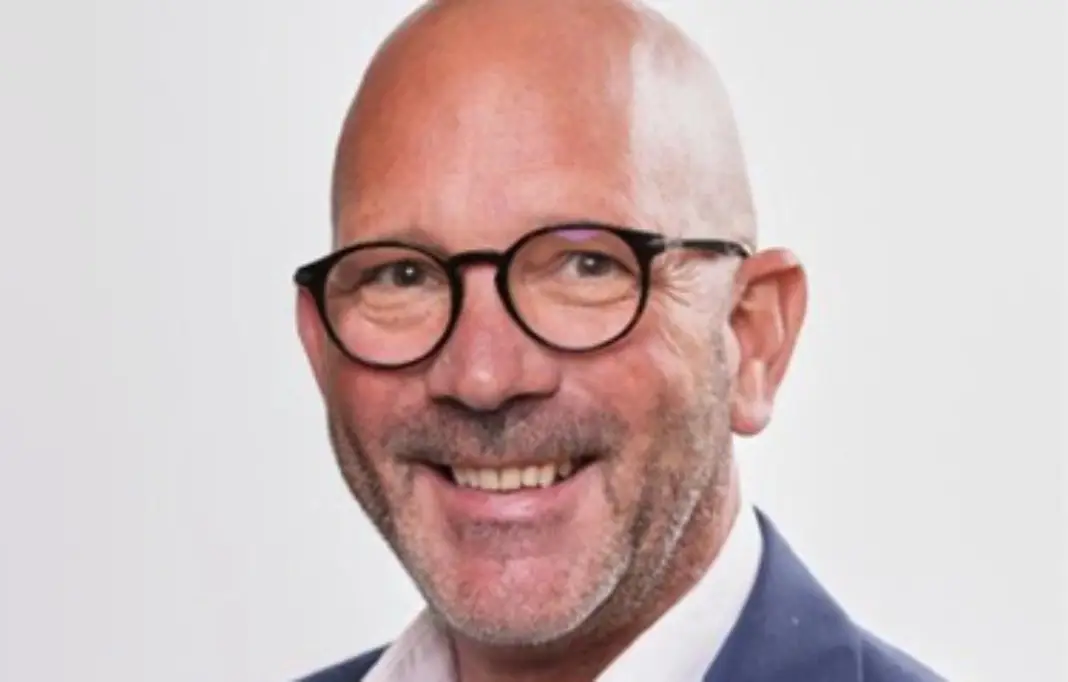
Bell is the senior vice president, global talent management at Sedgwick, a risk and claims administration partner based in Memphis, Tennessee. For him, all the attention given to where work happens is neglecting to focus on what really moves the needle: Why work is getting done, and what leaders can do to support it.
“Being intentional about when, why and how teams come together in-person, whether for onboarding, problem‑solving or trust‑building, strengthens connection without undermining autonomy,” says Bell. In an interview, he shares his tips for sustaining culture and performance no matter the location, leading through disruption and thinking long-term.
What strategic responsibilities are now essential for HR leaders who want to influence long-term business outcomes?
Senior talent leaders have evolved from program owners into executive partners who translate business strategy into the capabilities and culture that drive measurable outcomes. Those who have made this shift invest time in understanding the way that work gets done, which puts them in a stronger position to unlock productivity gains, including those enabled by AI.
Today, that evolution requires focus in three areas. First, aligning capabilities with strategy. Identifying the right mix of skills, behaviors and systems is essential to sustaining innovation and growth. Codifying these capabilities allows them to be embedded consistently across selection, performance, succession planning and development.
Second, intentionally shaping the culture through the transformation. In periods of rapid change, it is essential that senior HR leaders listen with intentionality. Listening strategies like engagement or pulse surveys only matter if insights are acted on quickly and in measurable ways. AI now enables organizations to respond to emerging trends with greater precision and speed.
Third, optimizing an AI assisted and scattered workforce. While AI can handle many transactional tasks, it has also clarified the value of in-person leadership, learning and service delivery. In hybrid work environments, talent leaders must be more intentional in creating moments for collaboration and development that once happened organically.
As organizations balance remote work, return-to-office expectations and hybrid models, how should talent leaders think about sustaining culture and performance without relying on physical proximity?
Providing a working culture that promotes well-being, aligns with employees’ personal values and offers flexibility and growth has become increasingly important as workforce expectations evolve. While stability and compensation still matter, non-linear career paths, flexibility and a sense of purpose are now key drivers that attract and retain talent.
At Sedgwick, colleague experience is supported by four interconnected pillars. Each reinforces the others, and none can succeed in isolation:
- High Performance: Ensuring colleagues have the resources to apply the expertise, skills and behaviors that optimize performance outcomes.
- Well-being: Supporting the mental, physical, financial and professional wellbeing of colleagues.
- Connectedness: Deriving meaningfulness from their work and strengthening affiliation with our company, our purpose and our core values
- Growth: Providing personal and professional development that awakens potential and elevates skills, knowledge, capabilities and experience.
As with any large organizations, talent is more likely to stay where flexibility and growth exist internally. While it can be difficult for leaders to see high performers move on, retaining talent within the business is far preferable to losing it externally. Even when colleagues do not immediately pursue internal mobility, the presence of those options is a powerful retention driver.
Fully embracing today’s environment also requires shifting the focus from where the work happens to “why” it happens. Being intentional about when, why and how teams come together in-person, whether for onboarding, problem‑solving or trust‑building, strengthens connection without undermining autonomy.
Research on hybrid working environments reinforce this approach, highlighting the need for leaders to ensure recognition and career progression are based on performance outcomes, not physical presence.
From your own career progression, what experiences best prepared you to lead talent strategy during periods of disruption, and what advice would you offer HR leaders looking to expand their impact beyond traditional talent programs?
During disruption, the impact of HR leadership lasts far longer than the disruption itself. Before joining Sedgwick, I led an international training consultancy and worked with leaders across sectors and geographies. That experience reinforced the importance of adaptability.
During the pandemic, it became clear that while we were not all in the same boat, organizations faced very different conditions. This highlighted the need for strategies that are globally consistent but locally flexible. We often describe our approach as being as consistent as possible and as different as necessary.
Earlier in my career, empowerment and autonomy were seen as universal drivers of engagement. In today’s hybrid environment, empowerment is even more important, but without alignment it can fragment strategy. Every role has demands and constraints. When leaders focus too heavily on either, it can limit creativity and increase frustration.
The role of talent leaders is to help leaders balance both, creating clarity around outcomes while allowing flexibility in how those outcomes are achieved. That includes accepting that mistakes are part of learning. As long as no harm is caused to colleagues, clients or the organization, psychologically safe environments that encourage experiential learning are essential to long-term performance.