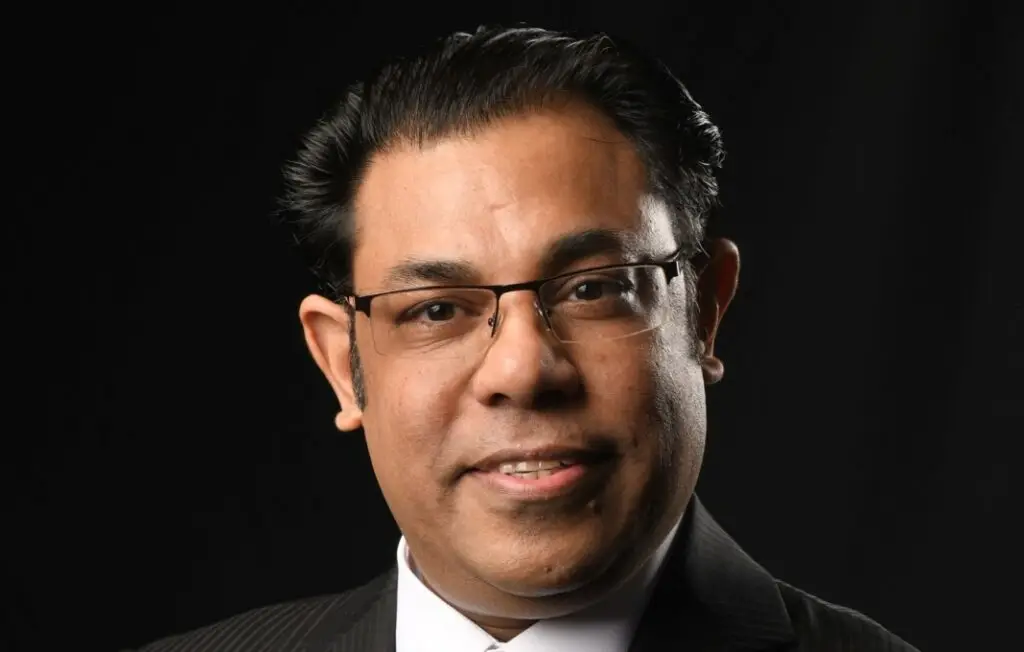


As chief people officer at Voxel Labs, a San Francsico-based startup that uses AI-powered video analytics to turn existing security cameras into a real-time hazard alert and notification system, Alicia Mandel has tackled her fair share of HR challenges.
“We experienced rapid growth recently,” she says. “This growth period coincided with significant layoffs from larger tech companies, which meant there was a decent talent pool from which to evaluate. But here’s what we learned: People from the really big tech companies don’t always fit in well in the startup environment, even when they genuinely want to make that transition.”
From hiring the right culture fit to compensation discussions, everything moves a little differently at a startup rather than an established company—which introduces wrinkles for Mandel and her team to iron out.
In a conversation with StrategicCHRO360, Mandel shares her experiences and strategies for facing these challenges and more helpful insights for tech startup leaders.
What are the biggest challenges for HR leaders at tech startups right now?
The biggest challenge is finding and keeping the right talent. There are tons of candidates with excellent skills out there, but the key questions are: Who fits in, and who is right for your organization? At a startup, or at a series B stage—which we’re at here at Voxel—you’re most certainly competing with companies offering very high salaries and significant equity packages.
We experienced rapid growth recently, and many of our new hires are managers. This growth period coincided with significant layoffs from larger tech companies, which meant there was a decent talent pool from which to evaluate. But here’s what we learned: People from the really big tech companies don’t always fit in well in the startup environment, even when they genuinely want to make that transition.
We had a particularly tough time finding senior technical talent who were the correct culture fit, for example. The skill sets might be there, but the adaptability to a fast-paced, resource-constrained startup environment is a completely different and likely even more important requirement.
We have a core value that says, “Hire the best people with the best intentions,” and we take this seriously.
Can you describe lessons you’ve learned as the CPO of a tech startup?
There are lots of lessons, but the biggest one is this: When hiring, start with compensation discussions upfront.
Many people don’t truly understand what it means to work in a startup or quickly scaling environment and therefore they don’t really know what to expect from a compensation perspective as it may look different than working for a public technology company. We pay well—we have a compensation philosophy that states we’ll pay somewhere between the 50-75 percentile for the right person—but the whole package just looks different than a more established company.
Secondly, last year we were working with a search firm, and frankly, they were no longer the correct partner for us. The lesson here: Make sure your search firm is representing you well and discussing critical information like compensation philosophy upfront. Don’t wait until the offer stage to have these conversations.
What are the three most impactful ways you build culture in today’s remote work environment?
First, do not forget about the importance and value of community. Regular face-to-face meetings with all employees are critical; we do this twice a year at Voxel. I know not every company can afford large gatherings, but we work hard to prioritize these meetings and make them valuable and special, so that we can see and feel the ROI.
There are also some community-building tools that are not terribly expensive and very worthwhile if you prioritize relationships across the organization. We have just started using a tool called THRED that matches people based on individual personal interests. It identifies employees with similar hobbies or passions and automatically puts time on their calendars for them to connect.
If you can’t afford a tool like that, how can you accomplish the same thing without the tool itself? Think about how you can assign “buddies” or create connections that happen outside of business units. The goal is ensuring people form genuine relationships.
Also, when working remotely and bringing people together for in-person meetings, be intentional about why they are there together. Use the time for innovation, problem-solving or cross-functional projects.
People can still sit on Zoom calls from home. Having them do that from the office defeats the purpose. Make sure everyone is connecting face to face and making the most of that valuable time together.
Second, conduct cultural onboarding in addition to your traditional HR onboarding. We’re in the process of building this out now. This means teaching new employees some of the things that may have previously been “figured out” on the job, like, the unspoken rules of your organization. Imagine how much easier it would be if someone just told you.
For example: “Chris doesn’t use Slack much. Text him directly if you need him, especially if it’s a time-based thing.” Or, “They are real sticklers around here about getting expenses done on time. The system is easy, so do it right away.” Or, “We have all employee meetings every other week on Zoom. Everyone joins those.” Or, “When traveling to meetings, here’s where most people typically stay.” These small details help new employees navigate your culture much faster and feel like insiders rather than outsiders.
Third, if you don’t have core values, create them—and actually use them. Core values should drive hiring decisions, performance management and how you operate and make decisions day to day. Make sure they’re aspirational and behaviorally based, not just descriptive.
We developed our core values through a combined top-down and bottom-up approach. We conducted surveys and individual focus groups, asking team members, “When you think about Voxel at its best, how would you describe it?” Then, we took those answers to the executive team for their review and alignment. This ensures the values reflect both leadership’s vision and the actual lived experience of employees.
Are there trends in how job seekers are looking for jobs these days? What have you seen as successful and unsuccessful?
AI is playing a much bigger role in job searches, both for employers and for job seekers.
On the employer side, we’re using an AI agent to help us source candidates. This tool can scan 150-plus job boards in a fraction of the time it would take a human recruiter. The tool we use even has video capability for initial screenings, which helps us evaluate candidates more efficiently.
On the candidate side, job seekers are using AI to write cover letters, conduct interview prep and research companies. They can literally ask AI. “Give me every bit of information about the company I’m interviewing with,” and receive comprehensive briefings.
Here’s the interesting paradox: Because AI has made preparation so much easier, when candidates aren’t prepared, it shows in much greater detail. The baseline expectation has risen significantly.
If someone comes to an interview without basic knowledge about our company, our mission or our recent milestones, it’s more glaring than ever before. They’ve essentially signaled that they didn’t care enough to spend even 10 minutes with an AI tool to prepare.
My advice to job seekers: Take advantage of AI tools for research and preparation, but don’t rely on them to fake genuine interest or cultural fit. And to employers: Understand that candidates have access to these tools, so your hiring process needs to dig deeper than surface-level knowledge to assess true fit and capability.