
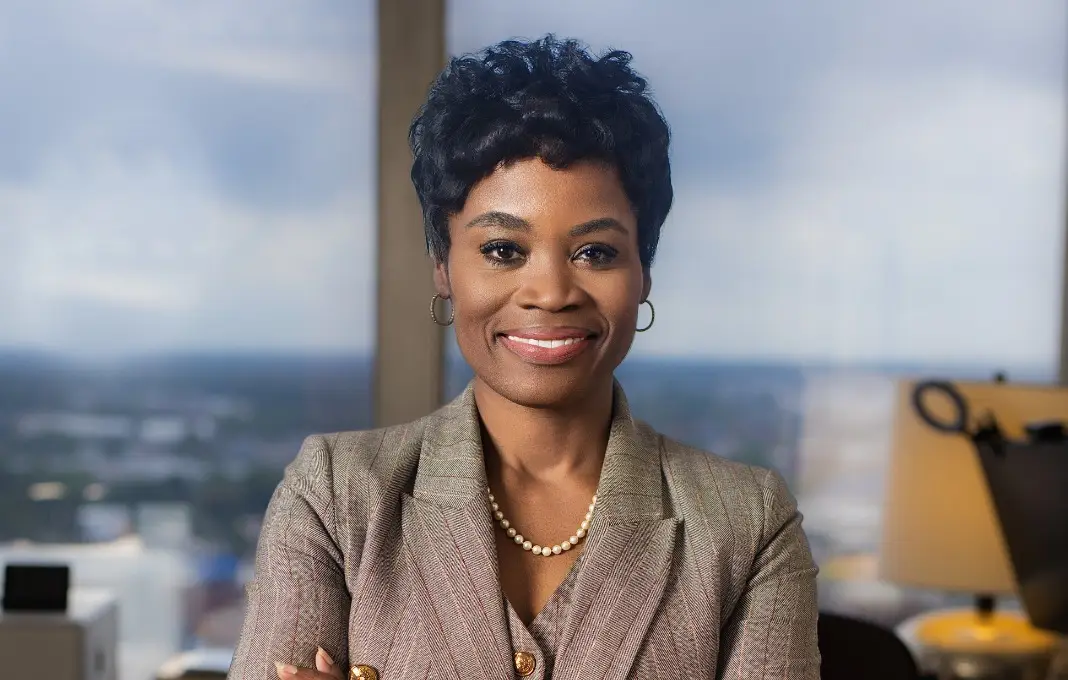
Not many HR leaders cut their teeth across a variety of departments within their organization. But Tanya Hart did—and that has played a big role in how she approaches making sure employees across her company are supported.
Hart is senior executive vice president and CHRO at First Horizon in Memphis, Tennessee, parent of First Horizon Bank. She spoke with StrategicCHRO360 about what she learned coming up, how she uses that knowledge today and HR’s role during challenging times.
You’ve held a variety of leadership positions on your path to CHRO. How have your experiences shaped your approach to leadership and the way you think about First Horizon’s culture today?
My leadership approach has been shaped by my experiences growing up professionally in the organization and seeing it from every angle. After nearly three decades with First Horizon working across retail, wealth management and now HR, I’ve had a front-row seat to seeing our culture at every level. Today, my focus is on fostering and sustaining a culture where people feel valued and inspired to keep growing—the same way I was throughout my career at First Horizon.
Starting my career as a teller taught me that we are the face of the bank, and that how we show up in every interaction defines the client experience. My time in financial planning gave me a deeper understanding of how people think about money and what financial security really means in their lives. Both experiences, though far from HR functions, influenced how I lead today by keeping a strong focus on people, purpose and the experiences we create for clients and associates.
As CHRO, I think about culture as a living and evolving part of the organization. It’s reinforced every day through leadership, teamwork and how we support one another. First Horizon’s “let’s find a way” mindset reflects a culture rooted in collaboration, resilience and a shared commitment to serving clients and associates.
In a business environment defined by constant change, what role does HR play in keeping organizations resilient to the needs of both associates and clients?
HR plays a crucial role in helping organizations stay grounded while continuing to evolve. Resilience starts with people. When associates feel supported, connected to the organization’s purpose and equipped to grow, they are better able to adapt and continue delivering for clients.
My own path into HR reinforced that. I made a deliberate shift into the function, which ultimately helped me find where I could have the greatest impact: supporting talent and helping the organization grow. That experience shaped how I think about HR’s role today.
HR is about creating a stronger foundation through leadership development, continuous learning and open communication. It’s also about listening and ensuring associates feel heard and valued. When we take care of our people and invest in their success, that carries through in strong client service.
What does empowering employees look like at First Horizon?
Empowerment at First Horizon starts with opportunity and access. It’s about giving people the chances to learn, take on new challenges and continue developing skills.
At First Horizon, we focus on helping associates see how their work connects to a larger purpose and the impact they have on clients and communities. Development is a key part, whether through new roles, continued education or mentorship.
Mentorship, in particular, has played a key role in my own journey as I had leaders who invested in me and encouraged me to keep growing early in my career. Today, we have created more formal mentoring programs to ensure others have that same support. When people feel encouraged and supported, they are more confident in contributing and growing over time.
What advice do you have for CHROs looking to sustain culture through ongoing change?
Sustaining culture through change starts with consistency, communication and a continued focus on people. Culture is shaped by everyday actions including how leaders show up, how teams collaborate and how organizations support their associates through opportunities and challenges.
Equally important is staying connected to associates by listening to their experiences and ensuring they feel valued through open communication. That connection builds trust and helps organizations navigate change more effectively.
In the same vein, investing in associate development is also crucial for culture. Whether through formal education, mentorship or new experiences outside the organization—like serving on nonprofit boards—those opportunities broaden perspectives and strengthen leadership over time.
Ultimately, culture is sustained when people feel connected to a shared purpose, supported in their growth and confident in their ability to make a difference.